


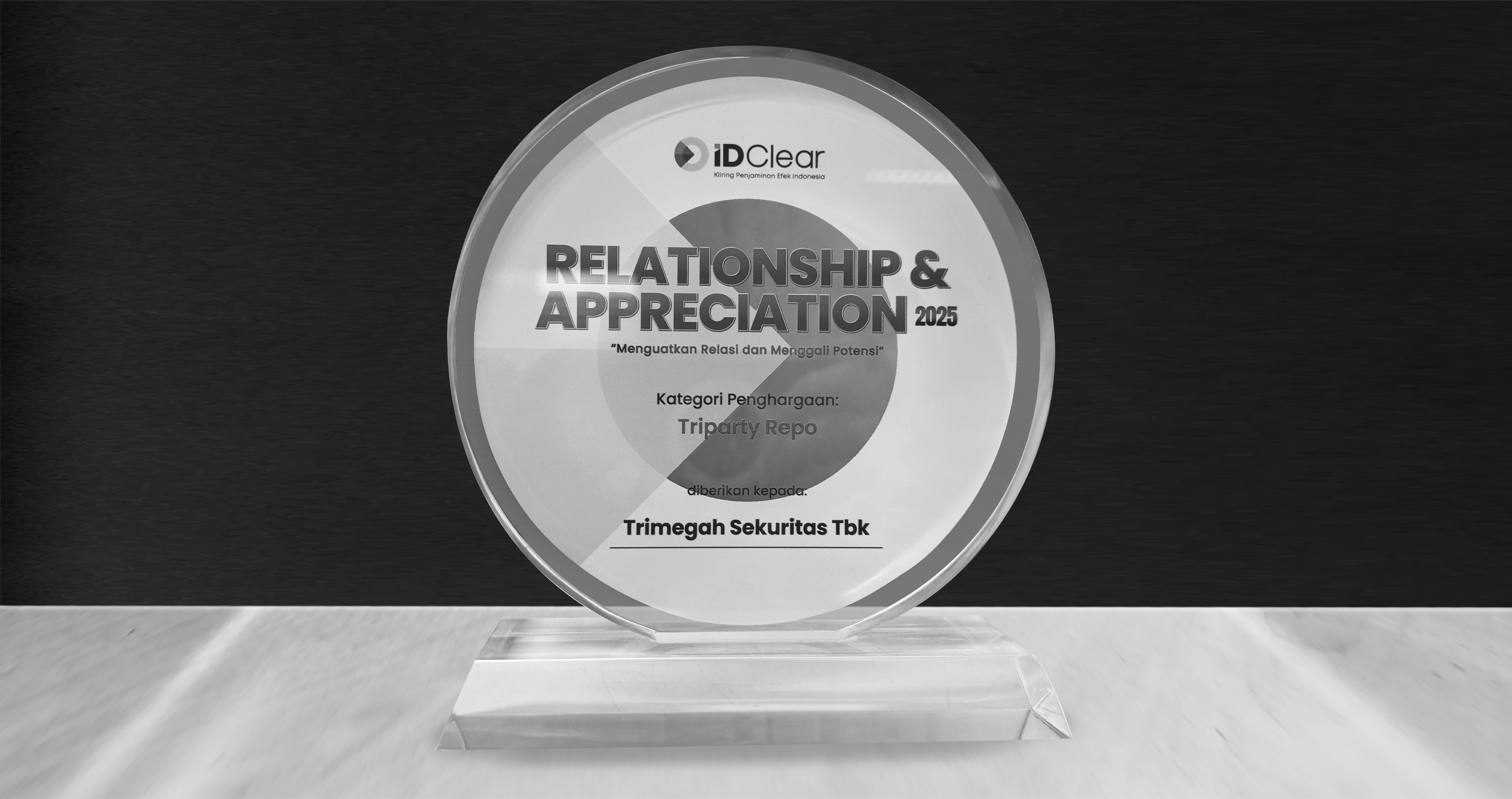
IDClear (PT Kliring Penjaminan Efek Indonesia)
One of Indonesia's largest fully-integrated securities firms, built on decades of expertise, a nationwide presence, and the trust of retail and institutional investors.
36+
Years of experience
11
Branch offices nationwide
300+
Employees
120+
Licensed representatives
Securities Company Member of the Indonesia Stock Exchange. PT Trimegah Sekuritas Indonesia Tbk and PT Trimegah Asset Management are licensed, registered and supervised by the . The Company holds business licenses as a Broker-Dealer (PPE) under Decree of the Chairman of BAPEPAM-LK Number KEP-252/PM/1992 dated 2 May 1992, and as an Underwriter (PEE) under Decree of the Chairman of BAPEPAM-LK Number KEP-27/PM/1993 dated 18 September 1993.
Licensed representative figure is a placeholder for design preview.
Educate and create wealth for the community through unique and professional investment experience
Be the most preferred destination for financial services in the region
“It takes 20 years to build a reputation and 5 minutes to ruin it”
Zero-tolerance policy for issues of integrity
“Forget about your competitors, just focus on your customers”
Consistent mindset to prioritize clients needs over our own
“Excellence is not a skill, it’s an attitude”
Commitment to delivering the highest quality product in all we do
“Smart is third, wise is second, being fair is number one”
Give credit where it is due, own up to mistakes, think of others
“The best way to predict the future is to create it”
Creativity creates advantage; have courage to speak out
1990
Established as PT Trimulya Securindolestari, renamed PT Trimegah Securindolestari on 28 May 1990.
Established based on Deed No. 64 dated 9 May 1990, and renamed based on Deed No. 227 dated 28 May 1990, both made before Rachmat Santoso, S.H., Notary in Jakarta.
Announced in the State Gazette of the Republic of Indonesia No. 80 dated 5 October 1990, Supplement No. 3832.
1992
Granted by Bapepam & LK, now the Financial Services Authority (OJK).
1993
Granted by Bapepam & LK, now the Financial Services Authority (OJK).
1999
Became a public company ahead of listing.
Based on Deed No. 17 dated 12 October 1999, made before Fathiah Helmi, S.H., Notary in Jakarta.
Announced in the State Gazette of the Republic of Indonesia No. 90 dated 1 February 2000, Supplement No. 522.
2000
Shares listed on the Jakarta Stock Exchange, now the Indonesia Stock Exchange.
2011
Subsidiary licensed as an Investment Management Company, offering equity, balanced, fixed income and money market funds.
2014
Began distributing mutual funds to retail clients.
2016
Adopted the current name in line with OJK licensing rules.
Based on Deed No. 70 dated 20 June 2016, made before Fathiah Helmi, S.H., Notary in Jakarta, effective 29 July 2016.
Made to comply with Financial Services Authority Regulation No. 20/POJK.04/2016 on the Licensing of Securities Companies that Undertake Business Activities as Underwriters and Broker-Dealers.
2017
Obtained OJK approval for other business activity through Letter No. S-940/PM.21/2017.
2018
Obtained OJK approval for other business activity through Letter No. S-1107/PM.21/2018.
Tap any profile for the full disclosure, covering education, work history, appointment, areas of responsibility and affiliations.
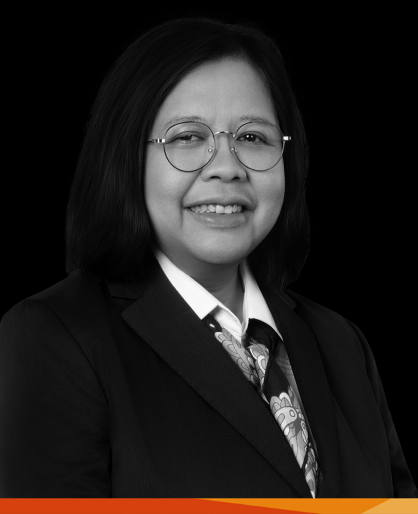
President Commissioner/Independent Commissioner
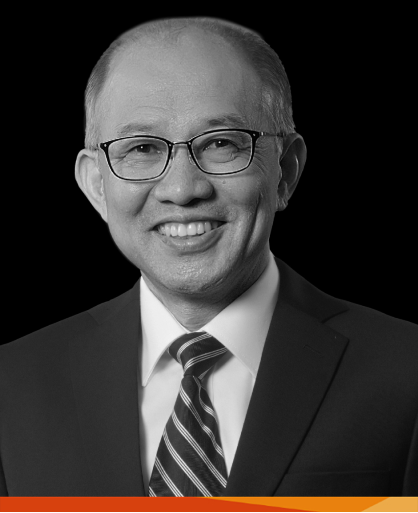
Independent Commissioner

President Director
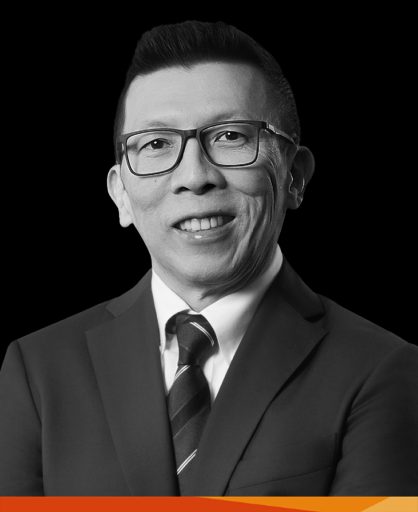
Director
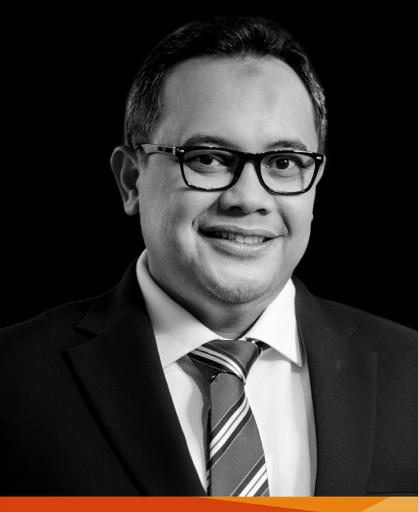
Director
Structure and ownership, the people who oversee the Company, and our charters and policies.
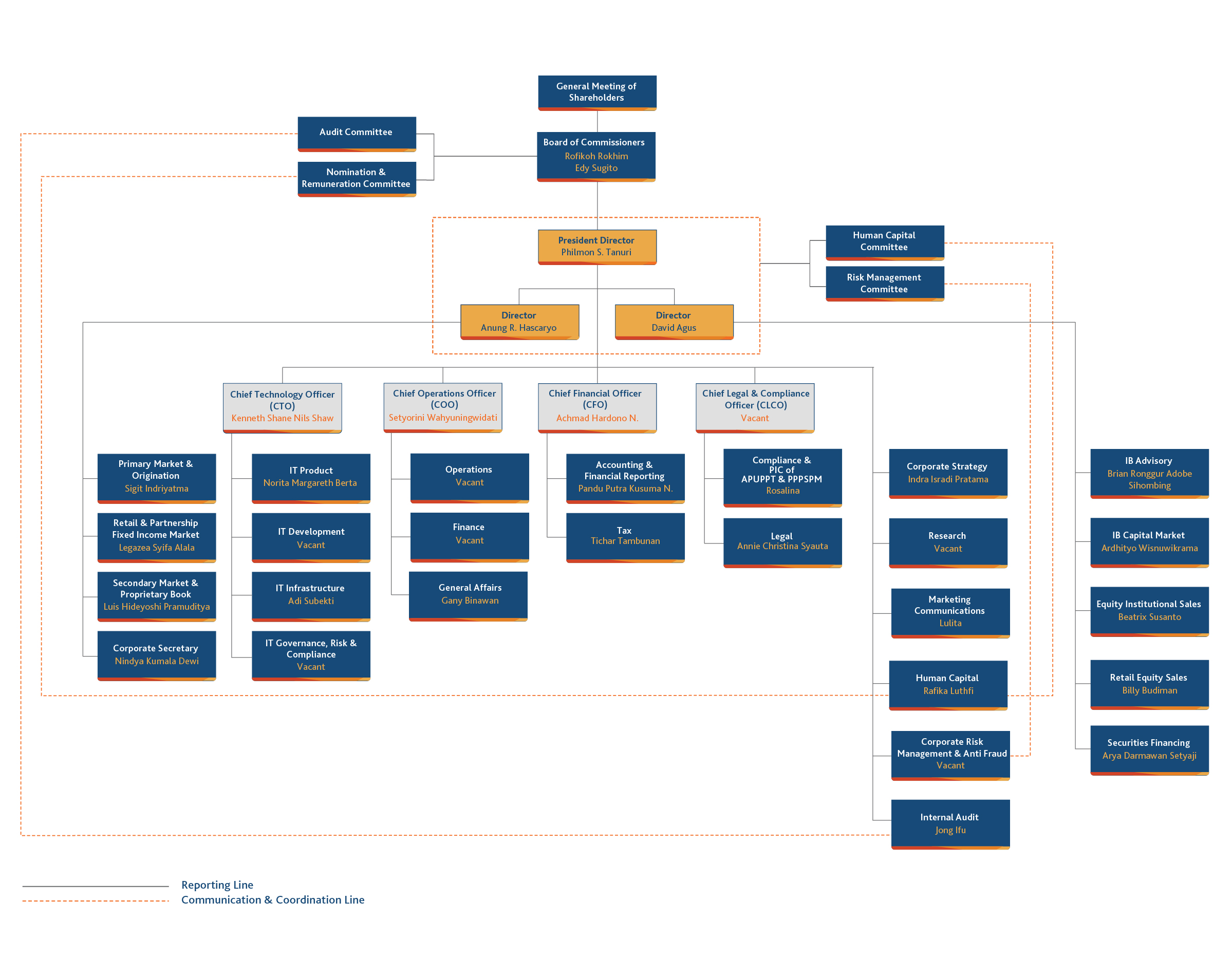
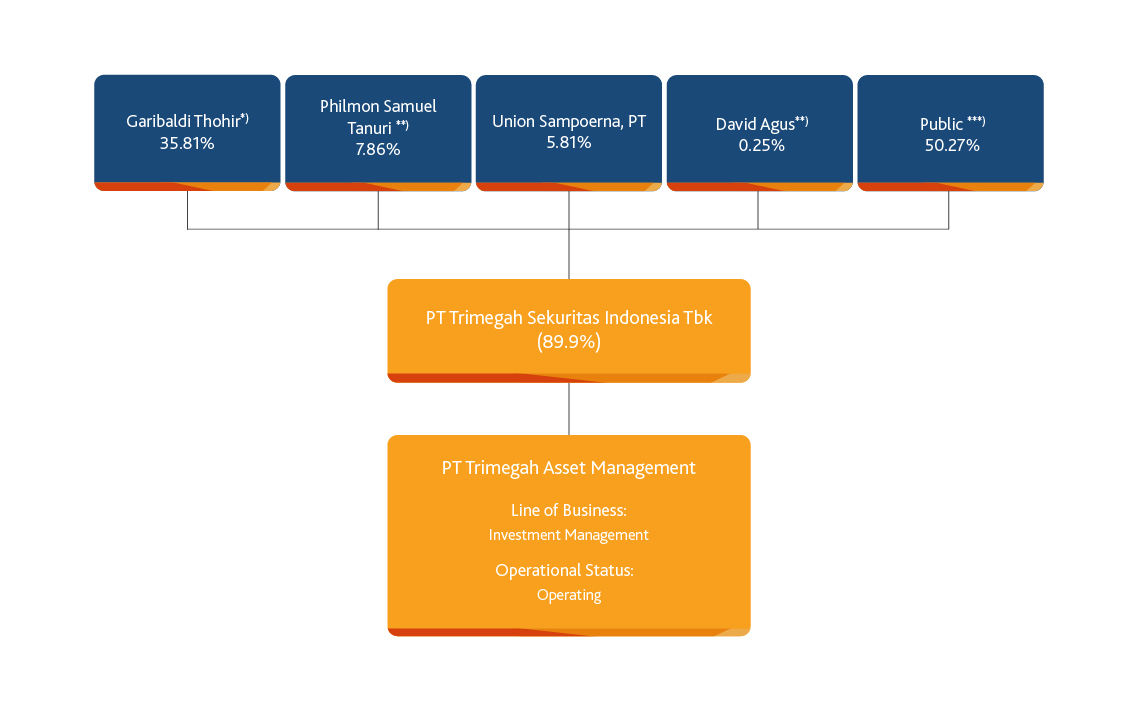
Notes: as of 31 August 2026
Assists the Board of Commissioners in overseeing financial reporting, internal control and audit.
Assists the Board of Commissioners on nomination and remuneration of the Boards.
Oversees the Company's risk management framework and exposures.
Oversees human capital policy, development and succession.

Indonesian citizen, born in 1992.
Appointed Corporate Secretary under OJK Regulation No. 35/POJK.04/2014 on Corporate Secretary of Issuers or Public Companies, based on Board of Directors Decree No. 612/HC-WNO/VIII/2024.TRIM dated 15 August 2024. The term of office runs from the date of appointment until the termination date set by Board of Directors decree.
Provides information about the Company to regulators, authorities, investors, shareholders and the public, and advises the Board of Directors on the Company's condition, regulations and compliance with capital market rules.
The Company shall be managed and led by the Board of Directors.
The Board of Directors shall consist of at least 2 (two) members, namely:
with due observance of the applicable regulations on the Capital Market.
In relation to the Company’s status as a Listed Company, under the regulations of PT Bursa Efek Indonesia, the Company shall have at least 1 (one) Independent Director appointed by the GMS from the members of the Board of Directors and meeting the requirements as specified in Article 4.2.
The Board of Directors shall provide sufficient time to carry out its duties and responsibilities optimally in accordance with the Company’s workdays.
The Board of Directors shall have the duty to conduct and be responsible for the management of the Company for the benefit of the Company in accordance with the aims and objectives of the Company set forth in the Articles of Association.
In performing its duties and responsibilities for the management referred to in point 8.1, the Board of Directors shall hold annual GMS and other GMS as stipulated in the laws and regulations and the Articles of Association.
Each member of the Board of Directors shall perform the duties and responsibilities as referred to in point 8.1 in good faith, full responsibility, and prudence.
In the framework of supporting the effective performance of duties and responsibilities as referred to in point 8.1, the Board of Directors may form a committee.
In the event that the committee as referred to in point 8.4 is formed, the Board of Directors shall make an evaluation of the committee’s performance at the end of each financial year.
Each member of the Board of Directors shall fully be jointly and severally liable for the Company’s losses caused by the fault or negligence of the member of the Board of Directors in performing his/her duties.
The member of the Board of Directors may not be held responsible for the Company’s losses as referred to in point 8.6 if he/she can prove that:
The Board of Directors shall be entitled to represent the Company legally and directly in and outside courts of law, with regard to all matters and in all events, to bind the Company to other parties and to bind other parties to the Company, and to take all actions both as regards to management affairs as well as ownership affairs with the limitation as specified in point 8.9.
For any of the following actions:
The Board of Directors must obtain prior written approval from or the relevant deed cosigned by the Board of Commissioners, without prejudice to the provisions of point 8.10 mentioned below and the applicable laws and regulations, especially laws and regulations on the Capital Market.
Any legal action to (a) transfer or dispose of or (b) mortgage all or any of the Company’s assets in the value of more than 50% (fifty percent) of the Company’s net assets in a single transaction or several independent or related transactions, and the transactions are transfer of the Company’s net assets occurring in 1 (one) financial year, shall be subject to the approval of the GMS.
Any legal action to make a Certain Material Transaction, Affiliated Transaction and Conflict of Interest Transaction shall be as contemplated in the laws and regulations on Capital Market, and transactions that require the approval of the GMS of the Company shall be on the conditions as stipulated in the laws and regulations on Capital Market.
The division of duties and authorities among the members of the Board of Directors shall be stipulated by the GMS. In case the GMS does not stipulate, the division of duties and authorities among the members of the Board of Directors shall be stipulated by virtue of a resolution of the Meeting of the Board of Directors.
The Board of Directors may grant powers and authorities in writing to 1 (one) or more employee(s) of the Company, or to any other persons to take certain legal actions for and on behalf of the Company as set forth in the power of attorney.
In the event that the Company has interests in conflict with the personal interests of a member of the Board of Directors, the Company shall be represented by another member of the Board of Directors having no conflict of interest, and in the event that the Company has interests in conflict with the interests of all members of the Board of Directors, then in this case the Company shall be represented by the Board of Commissioners or a person appointed by the Board of Commissioners. In the event that no member of the Board of Commissioners is available, the GMS shall appoint one or more person(s) to represent the Company in performing the duties mentioned above.
Meeting of the Board of Directors:
The Meeting of the Board of Directors as referred to in point 11.1 shall be convenable, valid and entitled to adopt binding resolutions if attended by more than 1/2 (one-half) of the members of the Board of Directors present or represented at the Meeting.
The Board of Directors shall convene a meeting of the Board of Directors together with the Board of Commissioners periodically at least 1 (one) time in 4 (four) months.
The presence of members of the Board of Directors at the meeting as referred to in point 11.1 and point 11.3 shall be disclosed in the Company’s Annual Report.
The Board of Directors shall schedule the meeting as referred to in point 11.1 and point 11.3 for the following year before the end of the financial year.
For the meeting that has been scheduled as referred to in point 11.5, the meeting materials shall be submitted to participants no later than 5 (five) days before the meeting is held.
In the event of a meeting held beyond the schedule that has been prepared as referred to in point 11.5, the meeting materials shall be submitted to the meeting participants at the latest before the meeting is held.
The summons for the Meeting of the Board of Directors shall be made by the member of the Board of Directors who is entitled to represent the Board of Directors.
The summons for the Meeting of the Board of Directors shall be given by any means in writing, delivered to each member of the Board of Directors at the latest 5 (five) calendar days prior to the Meeting, without including the Summons date and the Meeting date.
The summons must state the agenda, date, time and place of the Meeting.
Meetings of the Board of Directors shall be convened at the place where the Company is domiciled or carries out its business activities or at the place where the Stock Exchange on which the Company’s shares are listed, or elsewhere in the territory of the Republic of Indonesia.
Meetings of the Board of Directors shall be chaired by the President Director. In the event that the President Director is absent or unable to attend the Meeting of the Board of Directors for any reasons, for which case no proof needs to be given to the third party, the Meeting of the Board of Directors shall be chaired by a member of the Board of Directors elected by and from among the members of the Board of Directors present at the Meeting.
A member of the Board of Directors may be represented at the Meeting of the Board of Directors only by another member of the Board of Directors by virtue of a power of attorney.
Resolutions of the Meeting of the Board of Directors as referred to in point 11.1 shall be amicably adopted.
In the event that such amicable resolution cannot be reached, the resolution shall be adopted by majority vote, namely approved by more than ½ (one-half) of the members of the Board of Directors present.
The results of the meeting as referred to in point 11.1 shall be set forth in the minutes of the meeting, signed by all members of the Board of Directors present, and submitted to all members of the Board of Directors.
The results of the meeting as referred to in point 11.3 shall be set forth in the minutes of the meeting, signed by the members of the Board of Directors and the members of the Board of Commissioners present, and submitted to all the members of the Board of Directors and the members of the Board of Commissioners.
If there are members of the Board of Directors and/or members of the Board of Commissioners not signing the results of the meeting as referred to in point 11.16 and point 11.17, they shall state the reasons therefor in writing in a separate letter attached to the minutes of the meeting.
Minutes of the meeting of the Board of Directors as referred to in point 11.16 and point 11.17 shall be documented by the Company.
Minutes of the Meeting of the Board of Directors shall become concrete evidence regarding resolutions adopted at the Meeting of the Board of Directors before the members of the Board of Directors and any third parties.
The Board of Directors may also make lawful and binding decisions without holding a Meeting of the Board of Directors, provided that all the members of the Board of Directors have been notified in writing of the relevant proposals and all the members of the Board of Directors give approval as for the proposal proposed in writing and sign such approval.
Decisions made in such a procedure shall have the same power and effect as a resolution adopted legally at the Meeting of the Board of Directors.
The Meeting of the Board of Directors may also be held by teleconference, video conference or other similar communication equipment which enable all persons participating at the Meeting of the Board of Directors to directly view and hear each other, provided that the minutes of the Meeting using teleconference or other similar communication equipment shall be made in writing and circulated among all the members of the Meeting of the Board of Directors participating at the meeting, to be signed. Decisions made in such a procedure shall have the same force and effect as a resolution adopted legally at the Meeting of the Board of Directors.
In accordance with the Deed of Resolutions of Meeting Amendment to the Articles of Association of PT Trimegah Sekuritas Indonesia Tbk No. 146 dated 28 June 2023, made before Muhammad Muazzir, Bachelor of Law, Master of Notary, as the substitute for Jose Dima Satria, Bachelor of Law, Master of Notary, a Notary in South Jakarta Administrative City.
The Company shall be incorporated for an indefinite period of time and has obtained the status as a legal entity since the 7th (seventh) of June 1990 (nineteen hundred and ninety).
In performing the aforementioned activities, the Company is obligated to make sure that the activities and the implementation thereof (a) shall not contravene the prevailing laws and regulations; and (b) shall be based on adequate risk management to mitigate the risks that arise.
With respect to any matters regarding the Company, the Shareholders shall be considered to have a domicile at the place (in each of their addresses) as registered in the Register of Shareholders with due observance of the prevailing laws and regulations and provisions in the field of Capital Market as well as the provisions on the Stock Exchange at the place where the Company's shares are listed on.
The provisions which have not regulated in these Articles of Association shall refer to the Regulations of FSA as well as the provisions of other prevailing laws and regulations and all matters which are not regulated or not adequately regulated in these Articles of Association, shall be decided by of a resolution of a GMS.
This document is the result of retyping of the Notarial Deed which contains the Company’s Articles of Association. This document is intended to provide information and is not a legal document. Therefore, this document is not legally binding and cannot be used as evidence before the court. If there are differences in either words or phrases from the original document issued by the Notary, the right content is as stated in the aforementioned Notarial Deed.
The Company's commitment to a healthy and ethical workplace is set out in the Code of Conduct, ratified through the Decree of the Board of Directors and Board of Commissioners of PT Trimegah Sekuritas Indonesia Tbk and PT Trimegah Asset Management No. Kep: 099/CorSec/BoC-BoD/XII/2022.TRIM, effective 14 December 2022. In practice, the Code of Conduct guides the appropriate behavior of all employees at the Company.
PT Trimegah Sekuritas Indonesia Tbk recognizes the Internal Audit Unit as an independent appraisal function providing independent and objective assurance and consulting services. The purpose of internal auditing is to ensure that financial management, data processing, asset safeguarding, the implementation of applicable laws, regulations, and internal policies, as well as other activities that materially affect the Company’s operations, are carried out in accordance with prevailing requirements, with due consideration of potential risks.
Based on the International Standards for the Professional Practice of Internal Auditing (the Standards), the purpose, authority, and responsibility of the internal audit activity must be formally defined in an internal audit charter and must be consistent with the Mission of Internal Audit and the mandatory elements of the Professional Practices Framework, which include: Core Principles for the Professional Practice of Internal Auditing; Code of Ethics; Internal Auditing Standards; and Definition of Internal Auditing.
The Head of Internal Audit is responsible for periodically reviewing the Internal Audit Charter and submitting it to the President Director and the Board of Commissioners for approval.
The Standards also state that the Internal Audit Charter is “a formal document that defines the purpose, authority, and responsibility of the internal audit activity. The Internal Audit Charter establishes the position of the internal audit activity within the Company, including the nature of the functional reporting relationship of the Head of Internal Audit to the Board of Commissioners, grants authority to access records, personnel, and physical property relevant to the performance of engagements, and defines the scope of internal audit activities. Final approval of the Internal Audit Charter rests with the Board of Commissioners.”
Based on OJK Regulation No. 56/POJK.04/2015 dated 23 December 2015, the charter shall at a minimum contain the following matters:
The Internal Audit Unit performs objective and independent assessments and provides consulting services related to financial management, data processing, asset management, the implementation of provisions/regulations/policies, and any activities that significantly affect the operational activities of PT Trimegah Sekuritas Indonesia Tbk. The Internal Audit Unit is expected to assist the Company in achieving its objectives to enhance value and improve its operations through a systematic approach by evaluating and improving the effectiveness of risk management, control, and corporate governance processes.
The Internal Audit Unit is led by a Head of the Internal Audit Unit.
The Head of the Internal Audit Unit is appointed and dismissed by the President Director with the approval of the Board of Commissioners, taking into consideration the recommendation of the Audit Committee.
The President Director may dismiss the Head of the Internal Audit Unit, with the approval of the Board of Commissioners, if the Head of the Internal Audit Unit does not meet the requirements as an internal auditor as stipulated in this regulation and/or fails or is incapable of performing their duties.
The Head of the Internal Audit Unit is responsible to the President Director.
Internal auditors within the Internal Audit Unit report directly to the Head of the Internal Audit Unit.
The Internal Audit Unit has a functional relationship and may communicate directly with the Board of Commissioners, the Board of Directors, and the Audit Committee.
Preparing and implementing an annual Internal Audit plan.
Testing and evaluating the implementation of internal controls and risk management systems in accordance with company policies.
Performing audits and assessments of efficiency and effectiveness in the areas of finance, accounting, operations, human resources, marketing, information technology, and other activities.
Conducting compliance audits to ensure adherence to applicable laws and regulations related to the Company’s activities.
Providing recommendations for improvement and objective information regarding the activities reviewed at all levels of management.
Preparing audit reports and submitting such reports to the President Director, the Board of Commissioners, and the Audit Committee.
Monitoring, analyzing, and reporting on the implementation of recommended corrective actions.
Cooperating with the Audit Committee, Compliance Function, and Risk Management Function to enhance internal controls.
Developing programs to evaluate the quality of its internal audit activities; and
Conducting special audits when necessary.
Internal Audit Unit has direct access to the Board of Directors, the Board of Commissioners, and/or the Audit Committee to report and discuss any issues considered important for management’s attention.
Internal Audit Unit is responsible for informing and providing input to management regarding material/significant issues and other matters arising from the Company’s operational activities.
Internal Audit Unit has unrestricted access to all records, assets, functions, and employees relevant to its duties. All activities of Divisions/Division-level Work Units within PT Trimegah Sekuritas Indonesia Tbk are checked periodically by Internal Audit Unit.
Internal Audit Unit does not have direct responsibility or authority over any of the activities it reviews.
Internal Audit Unit coordinates its activities with external auditors.
Internal auditors are expected to apply and uphold the following principles and rules of conduct:
Integrity. The integrity of internal auditors establishes trust and therefore provides the basis for reliance on their judgment.
1.1 Internal auditors must perform their work honestly, diligently, and responsibly, and uphold the principle of professionalism in every audit activity.
1.2 Internal auditors must comply with applicable laws and regulations and ensure that any disclosure of information is carried out in accordance with legal provisions and applicable professional standards.
1.3 Internal auditors must not knowingly be involved in illegal activities or engage in actions that may discredit the internal audit profession or the organization.
1.4 Internal auditors must support and contribute to the achievement of the Company’s objectives and adhere to the principles of good governance, while maintaining independence and objectivity in performing their duties.
Objectivity. Internal auditors must demonstrate the highest level of professional objectivity in obtaining, evaluating, and communicating information regarding the activities or processes under review. Internal auditors shall make balanced assessments of all relevant matters and must not be unduly influenced by personal interests or by others in forming their judgments.
2.1 Internal auditors must not participate in any activities or relationships that may, or may be presumed to, impair their unbiased assessment. This includes any activities or relationships that may result in a conflict of interest with the organization.
2.2 Internal auditors must not accept anything that may, or may be presumed to, impair their professional judgment and independence in performing audit duties.
2.3 Internal auditors must disclose all material facts known to them which, if not disclosed, could distort the reporting of the activities under review.
Confidentiality. Internal auditors must respect the value and ownership of the information they receive and must not disclose such information without proper authority, unless required by law or professional standards.
3.1 Internal auditors must exercise due care in the use and protection of information obtained in the course of their duties.
3.2 Internal auditors must not use information for personal gain or in any manner that is contrary to the law or detrimental to the legitimate and ethical objectives of the organization.
Competency. Internal auditors must apply the knowledge, skills, and experience necessary in performing internal audit services.
4.1 Internal auditors shall only undertake services for which they have the necessary knowledge, skills, and experience.
4.2 Internal auditors must perform internal audit services in accordance with the International Standards for the Professional Practice of Internal Auditing (the Standards).
4.3 Internal auditors must continuously improve their proficiency, effectiveness, and quality of services on an ongoing basis.
The Board of Directors of PT Trimegah Sekuritas Indonesia Tbk provides general guidance regarding the scope of work and the activities to be examined without imposing limitations on the scope or frequency of audits.
Internal Audit Unit has full freedom with respect to the divisions and division-level work units (hereinafter referred to as “branches”) being audited, and its scope of work shall not be restricted by the operating units or their management.
Internal Audit Unit shall not design or establish procedures, prepare records, or engage in any other activities that may be construed as compromising its independence and objectivity. However, Internal Audit Unit may recommend and review control standards to be used in the development of system procedures.
Internal Audit Unit must maintain an objective and impartial mindset and avoid any potential conflicts of interest.
Internal auditors must possess integrity and demonstrate professional, independent, honest, and objective conduct in performing their duties, as reflected in the following actions:
a. Being reliable, firm, honest, and trustworthy;
b. Maintaining the confidentiality of Company information and/or data related to the performance of Internal Audit duties and responsibilities, unless disclosure is required by laws and regulations or by a court order or ruling;
c. Avoiding conflicts of interest; and
d. Implementing and complying with the Internal Audit Code of Ethics.
Possess knowledge, skills, and experience in audit techniques and other disciplines relevant to their area of responsibility.
Possess knowledge of capital market laws and regulations and other related regulations.
Have the ability to interact and communicate effectively, both verbally and in writing.
Must comply with professional standards issued by the Internal Audit Association (AAI).
Must continuously enhance their knowledge, skills, and competencies through ongoing professional development.
Understand the principles of good corporate governance, risk management, and internal control.
The scope of the Internal Audit Unit is intended to determine whether organizational connection of risk management, control and corporate governance processes that was designed and actualized by the management has been properly implemented and give confidence that:
Risk Management has been well identified.
Relations with other parties are in accordance with the needs.
Financial information, managerial and significant operating activities are accurate, reliable and timely.
Each employee’s actions are in accordance with policies, standards, procedures and applicable regulations.
Available resources are acquired economically, used efficiently and adequately protected.
Work programs, plans and objectives are achievable.
Quality and continuous improvement are able to help the development process of organizational control.
Prevailing laws or regulations related to PT Trimegah Sekuritas Indonesia Tbk have been known and applied correctly.
The Internal Audit function is responsible for the execution of audit activities. Its accountability is demonstrated through the reporting of audit results conducted in accordance with the International Standards for the Professional Practice of Internal Auditing, which are submitted to the President Director, with copies provided to the Board of Commissioners and the Audit Committee.
The purpose of this statement is to provide additional guidance regarding the scope of the Internal Audit Unit as referred to in point H.4 above.
Focus on high-risk activities. Audit activities should be directed toward high-risk areas and toward improving the efficiency, economic value, and effectiveness of various operations.
Appropriate audit frequency. Periodic reviews of internal control systems within divisions shall be conducted at appropriate intervals to ensure the effectiveness of the reviews and to provide assurance that administration, accounting, and safeguarding of company assets are in accordance with management instructions, applicable policies and procedures, and consistent with the division’s objectives and targets.
Significant contracts. To review the terms and conditions of significant contracts and other agreements with external parties that provide goods and services to PT Trimegah Sekuritas Indonesia Tbk, as well as the implementation of such contracts.
Information Systems and Computerization
4.1 To participate in the planning, design, development, and implementation meetings of significant computerized systems to determine whether: a. adequate controls have been implemented within the system; b. appropriate review and checking procedures have been carried out at critical stages; and c. system documentation is complete and accurate.
4.2 To conduct periodic audits of data processing and post-implementation evaluations of significant data processing systems to determine whether such systems operate in accordance with their intended purposes and established objectives.
Coordination with External Examiners
5.1 To coordinate with External Examiners regarding the stages of examinations to be carried out (OJK, SRO, PPATK, and Public Accounting Firms).
5.2 To exercise the highest level of integrity in performing the internal function, minimize duplication of audit activities, and promote the efficient use of internal audit resources.
Coordination with the Audit Committee. The relationship between the Audit Committee and internal auditors is carried out through the submission of audit plans, annual audit work programs, responses to audit recommendations, and audit reports to the Board of Commissioners.
Special Reviews
7.1 To perform special tests or reviews as requested by the Board of Directors.
7.2 In conducting special investigations, no prior notification of the audit shall be given, in order to support the effectiveness and smooth conduct of the investigation.
Timely Reporting of Findings
8.1 To report findings and provide recommendations to management in a timely manner.
8.2 To report to the Board of Directors and the Board of Commissioners regarding: a. significant irregularities and important issues; b. whether appropriate corrective actions have been taken in response to audit findings; and c. whether any unjustified restrictions have been encountered by internal auditors in accessing activities, records, assets, or personnel.
Follow-up on the Implementation of Audit Recommendations
9.1 To evaluate any plans or actions taken in response to reports of irregularities to ensure that satisfactory corrective actions have been implemented. If such corrective actions are still considered unsatisfactory, further discussions must be conducted to achieve satisfactory improvements.
9.2 To carry out follow-up audits to ensure that appropriate actions have been taken regarding the identified irregularities.
Auditors in Internal Audit Unit are prohibited from holding double duties and positions with the implementation of the company’s operations, both in the company and its subsidiaries.
Any amendments to the content of this Charter must be determined by the President Director and approved by the Board of Commissioners.
Management and Employees Shares Ownership Program (MESOP), started in 2017.
Grant II covered 50% of the total shares, or 132,000,000 share options, and was carried out from 1 November to 30 November 2018.
As of 30 November 2018, all 264,000,000 treasury shares had been taken up by MESOP participants at an exercise price of Rp80 per share, a total value of Rp21,120,000,000. With this transfer, the Company transferred all shares held in treasury.
The Company submitted the Notification of Transfer of Repurchased Shares through the MESOP Program to the Financial Services Authority and the Indonesia Stock Exchange on 4 December 2018.
IDClear (PT Kliring Penjaminan Efek Indonesia)
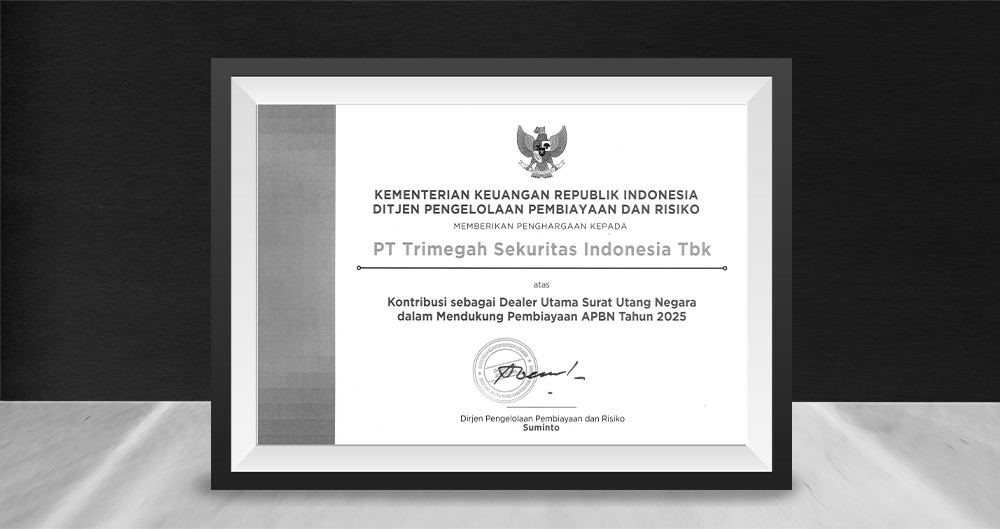
Ministry of Finance of the Republic of Indonesia
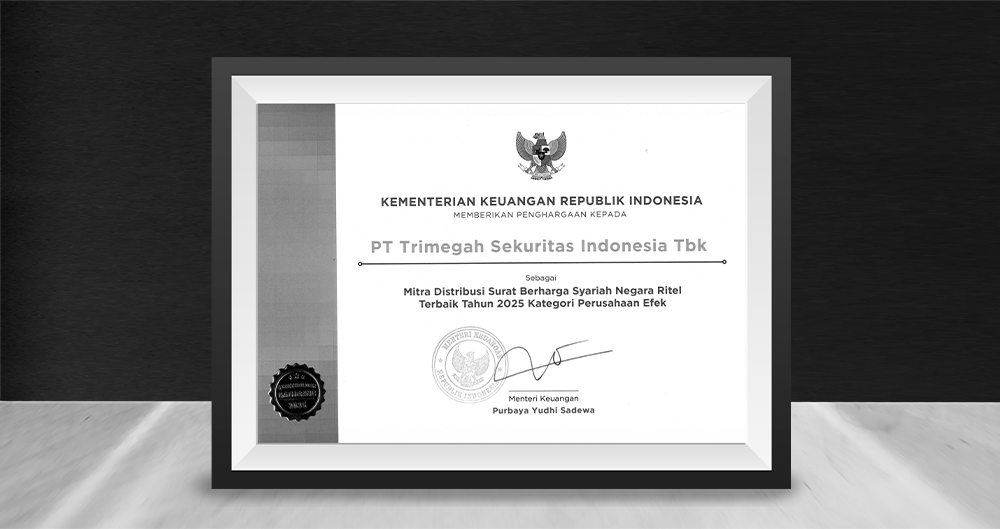
Ministry of Finance of the Republic of Indonesia
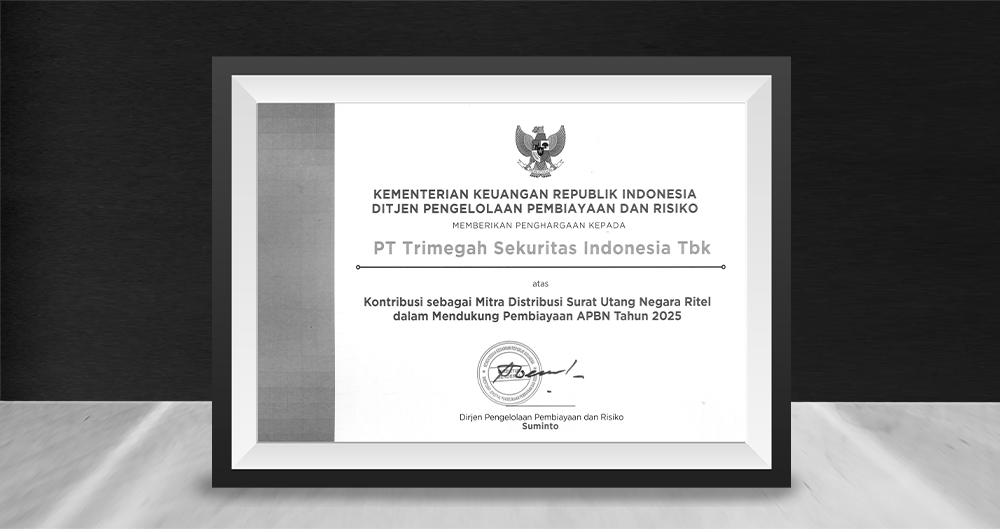
Ministry of Finance of the Republic of Indonesia
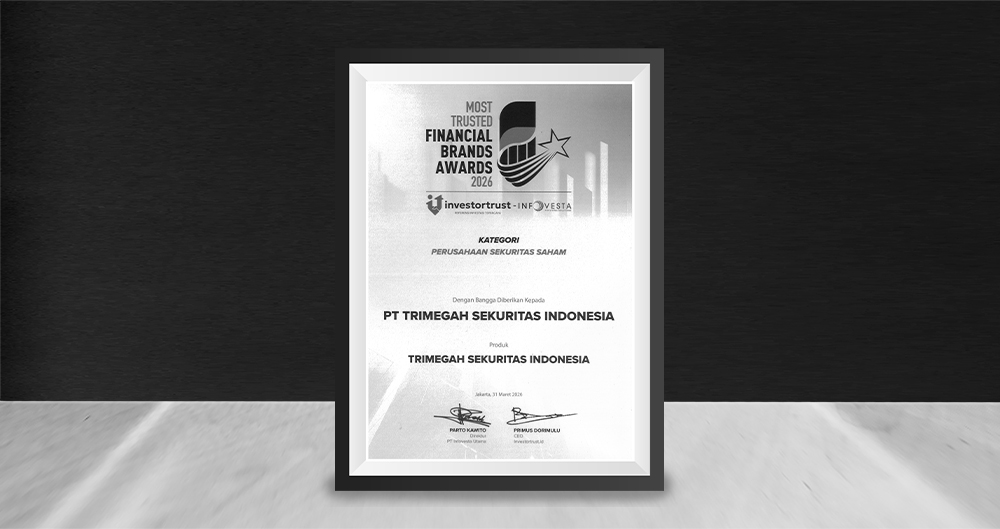
Investortrust
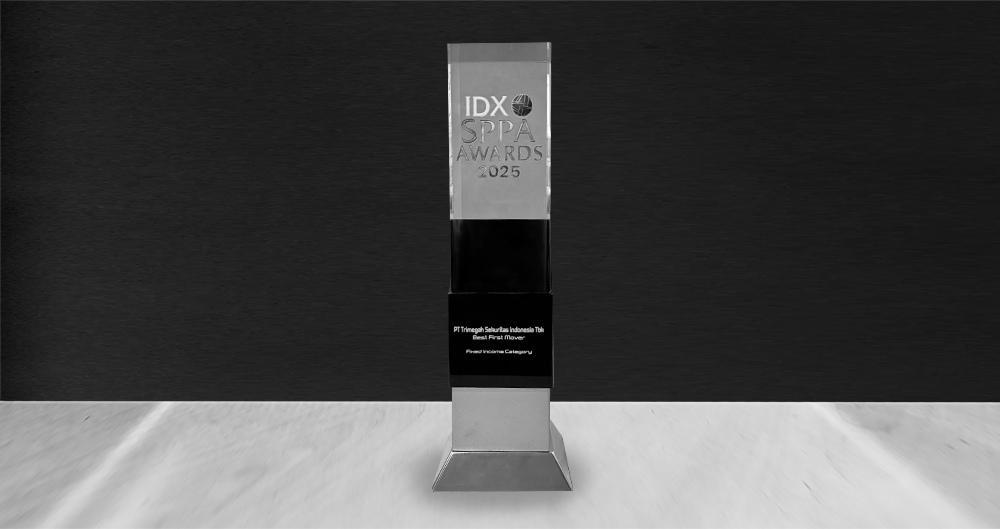
IDX SPPA Awards 2025
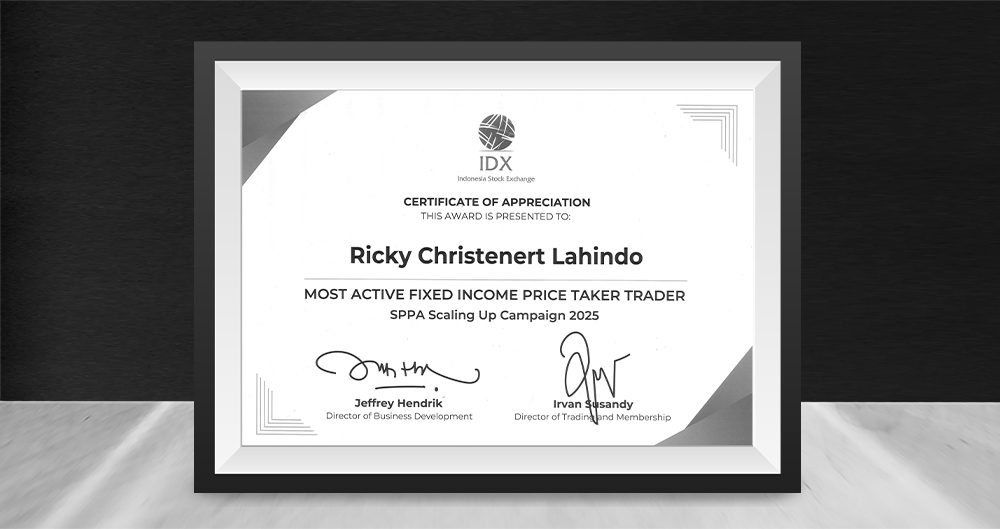
IDX SPPA Awards 2025
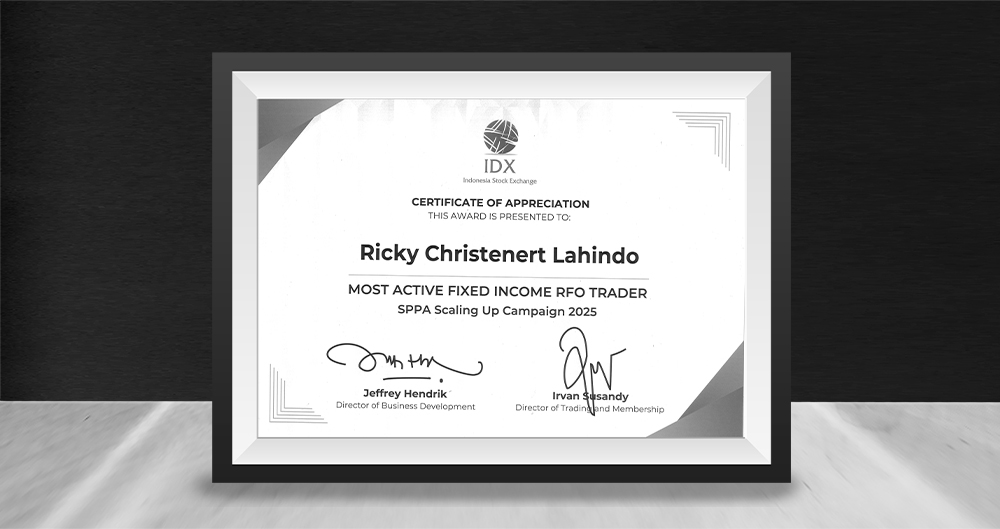
IDX SPPA Awards 2025
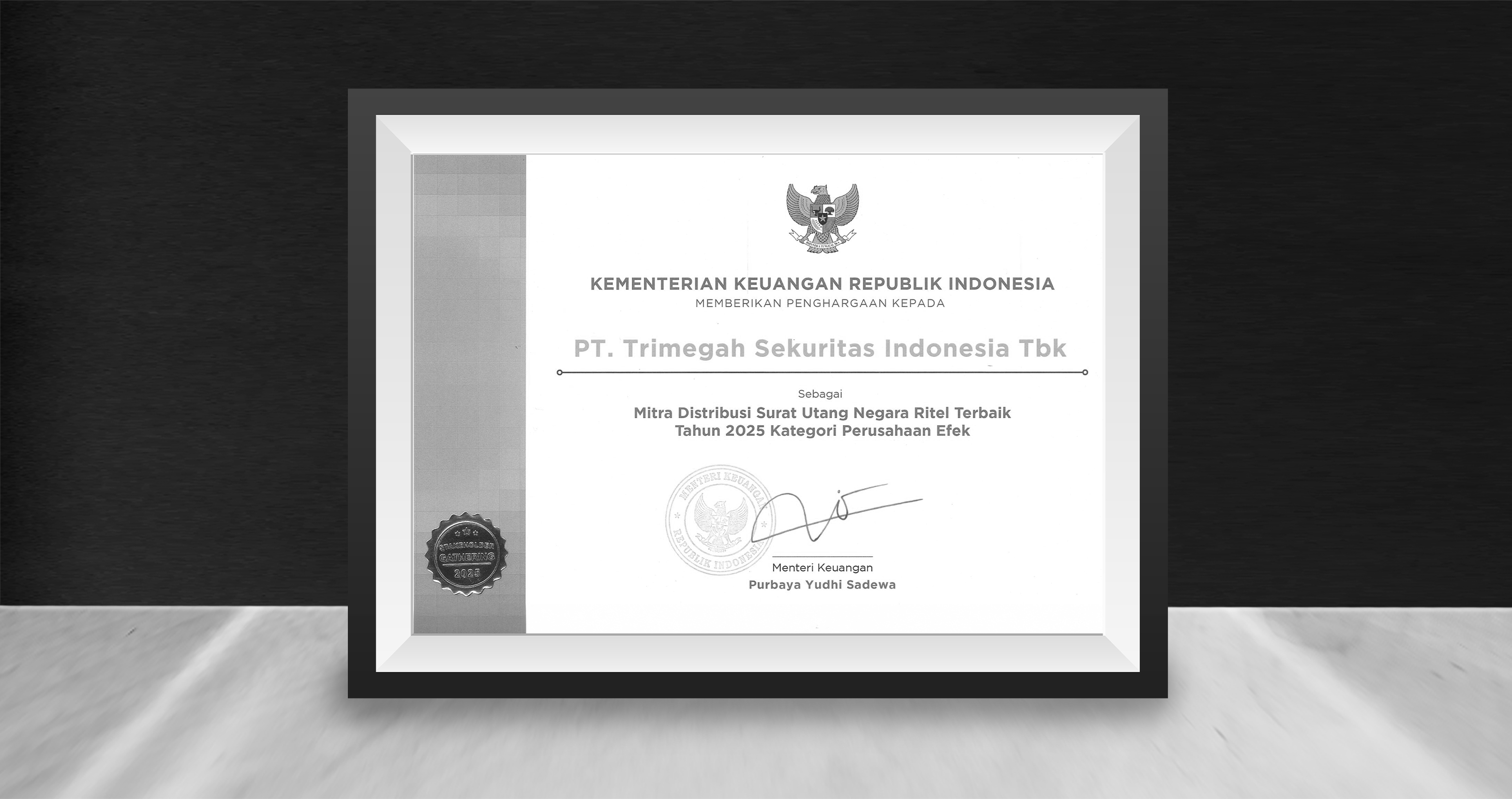
Ministry of Finance of the Republic of Indonesia
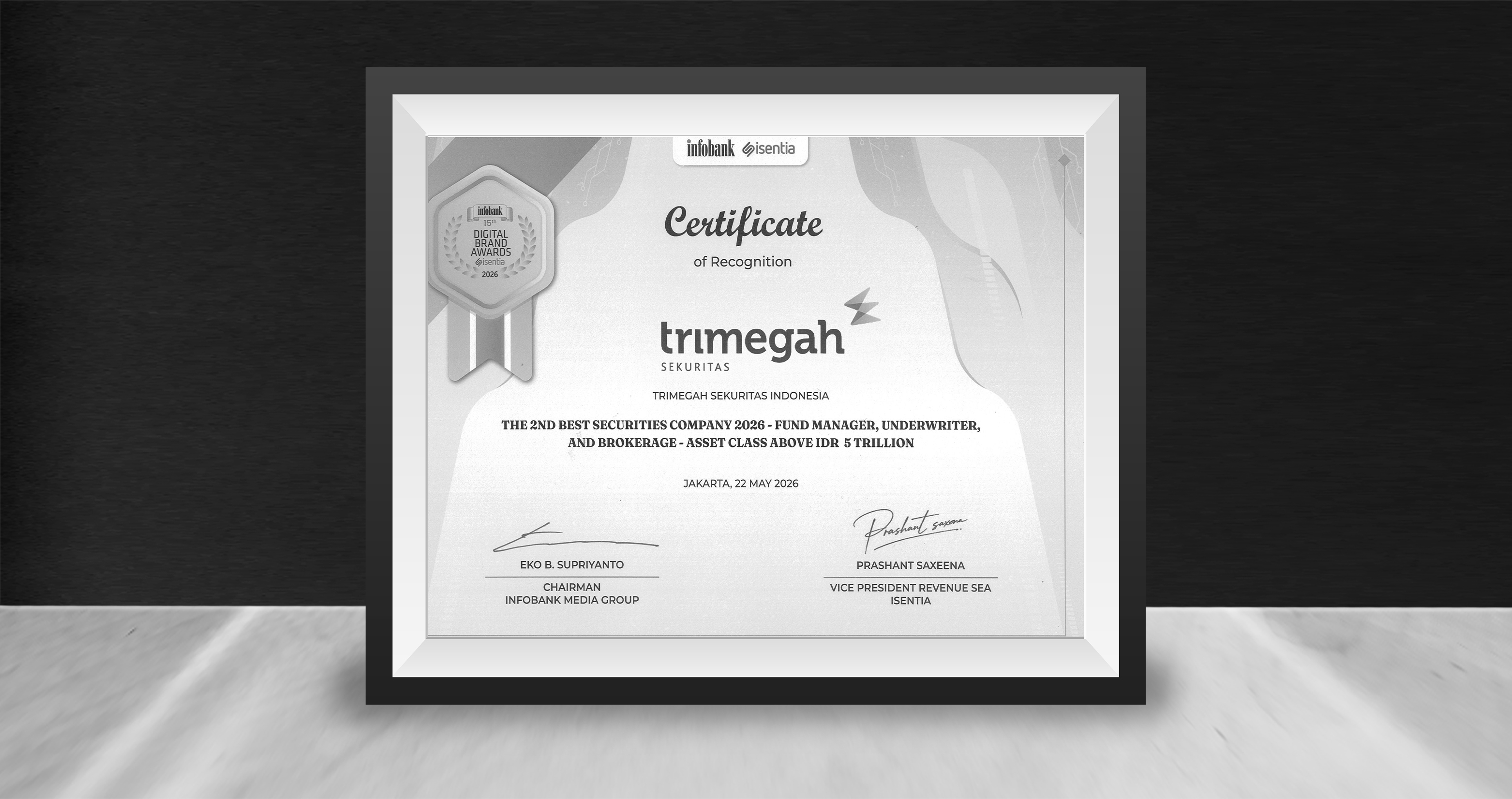
Infobank

Bisnis Indonesia

Financial Services Authority

Alpha Southeast Asia 18th Annual Best Deal & Solution Awards 2024

Alpha Southeast Asia 18th Annual Best Deal & Solution Awards 2024

Alpha Southeast Asia 18th Annual Best Deal & Solution Awards 2024

IDX SPPA Award 2024
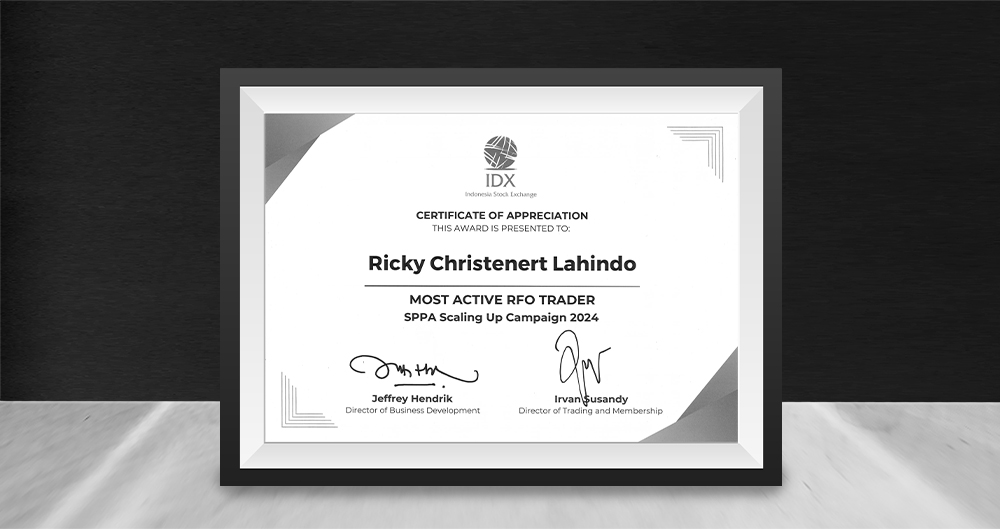
IDX SPPA Award 2024
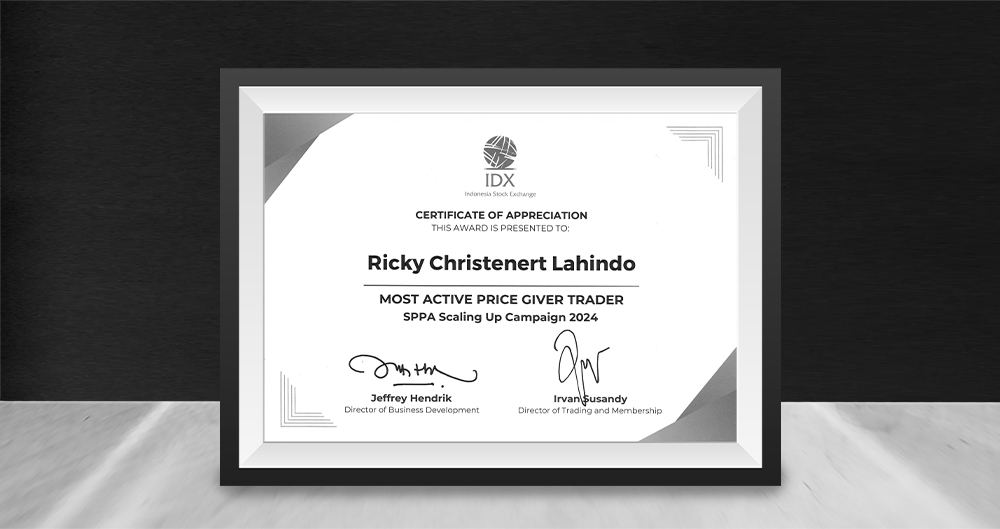
IDX SPPA Award 2024
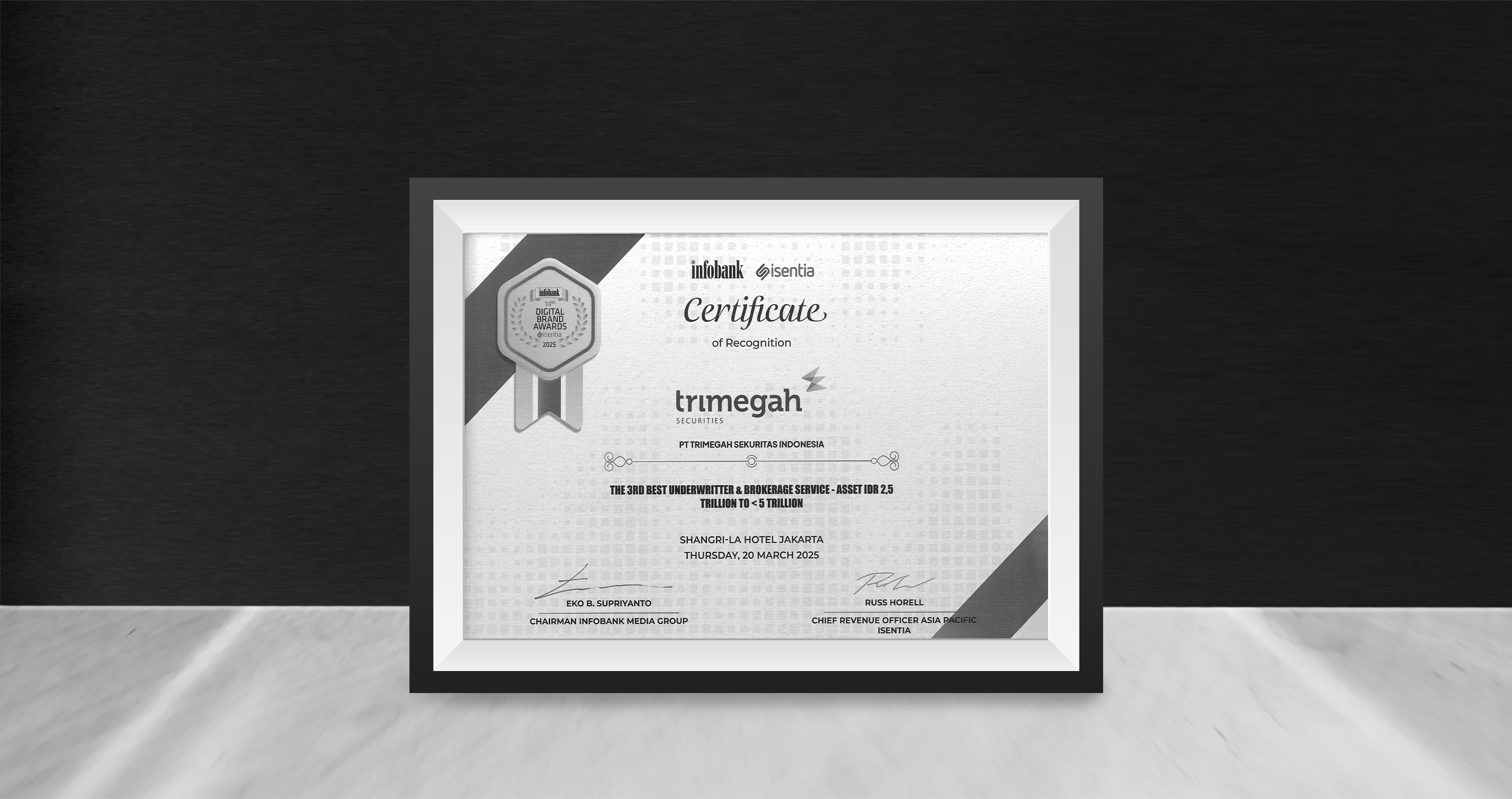
14th Infobank Isentia Digital Brand 2025
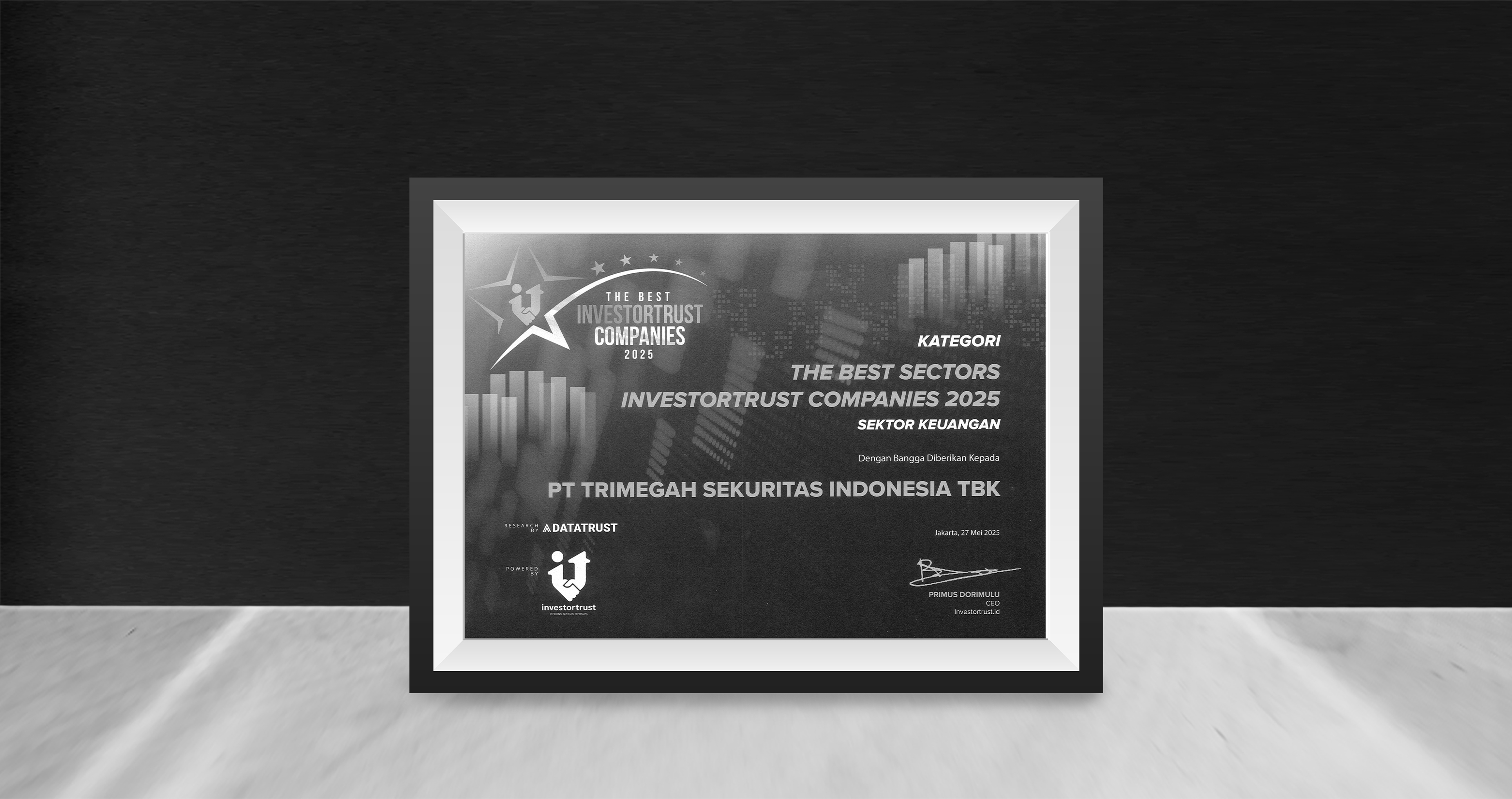
The Best Investortrust Companies 2025
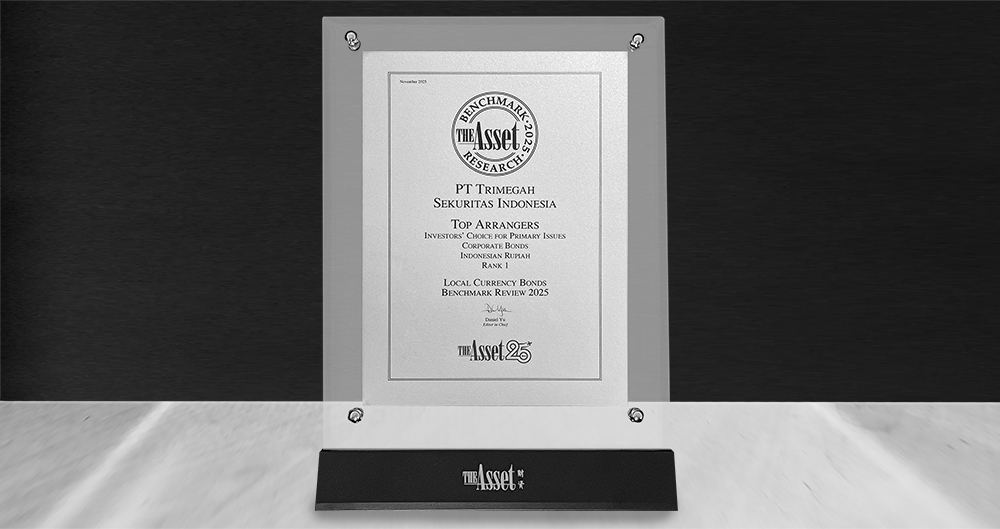
The Asset Benchmark Research Awards 2025
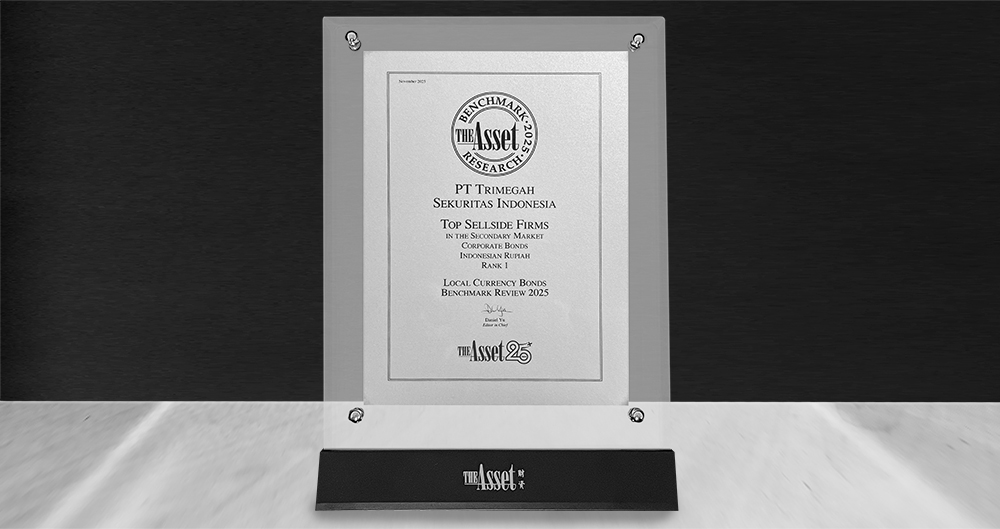
The Asset Benchmark Research Awards 2025
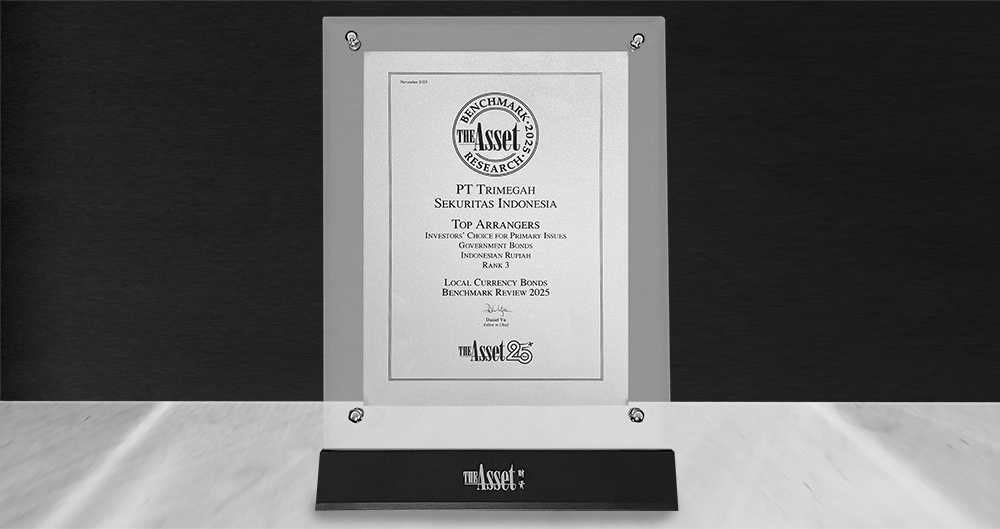
The Asset Benchmark Research Awards 2025
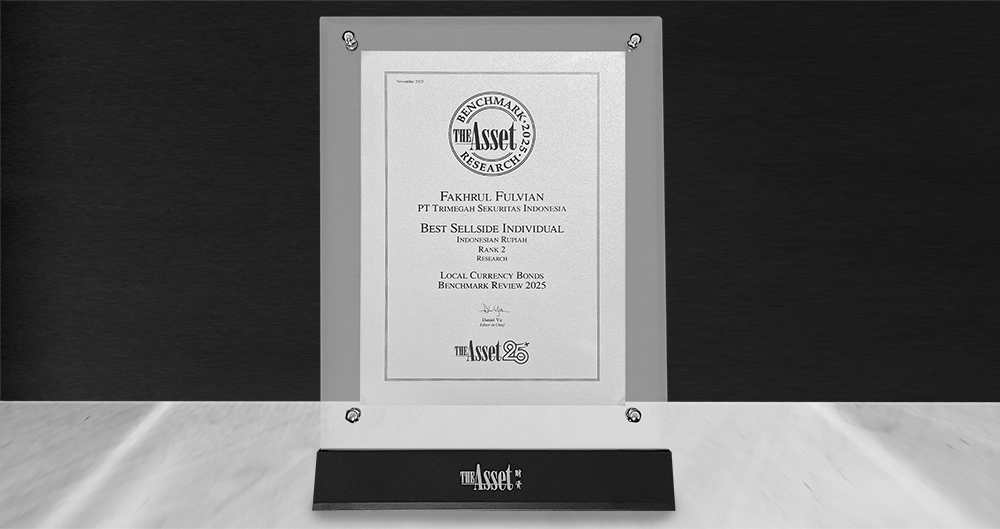
The Asset Benchmark Research Awards 2025
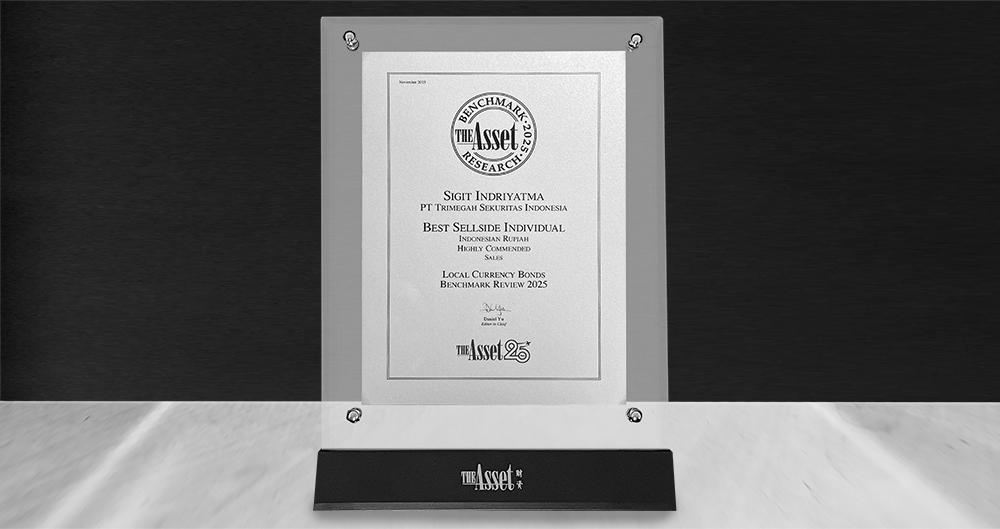
The Asset Benchmark Research Awards 2025
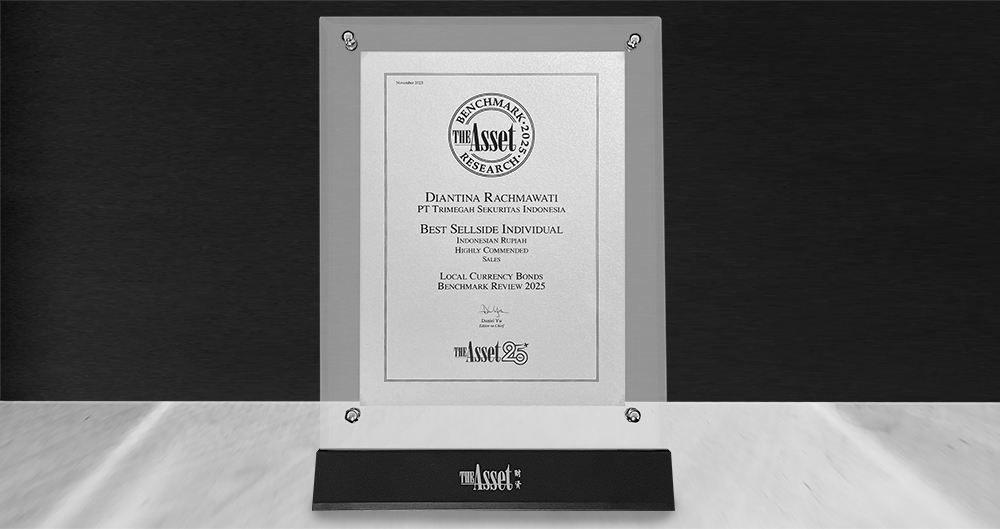
The Asset Benchmark Research Awards 2025

The Iconomics
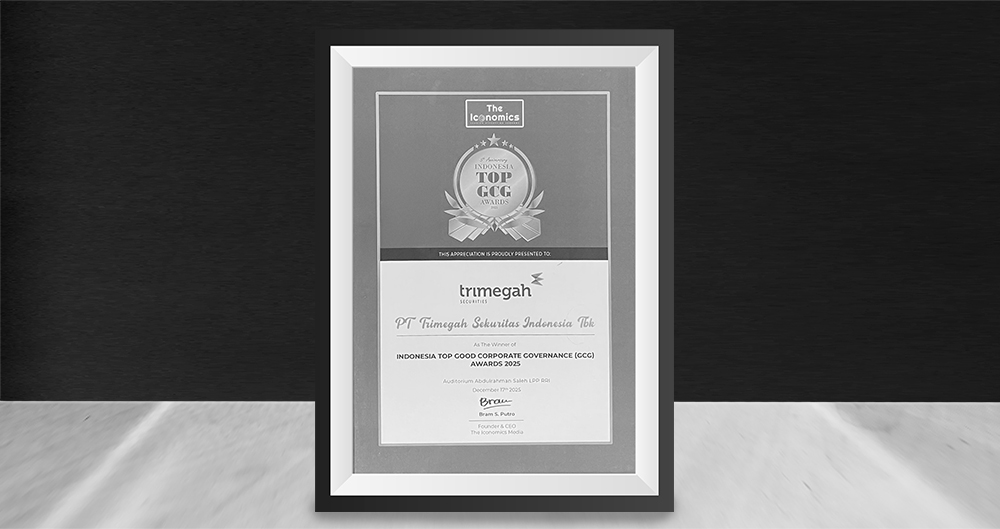
The Iconomics
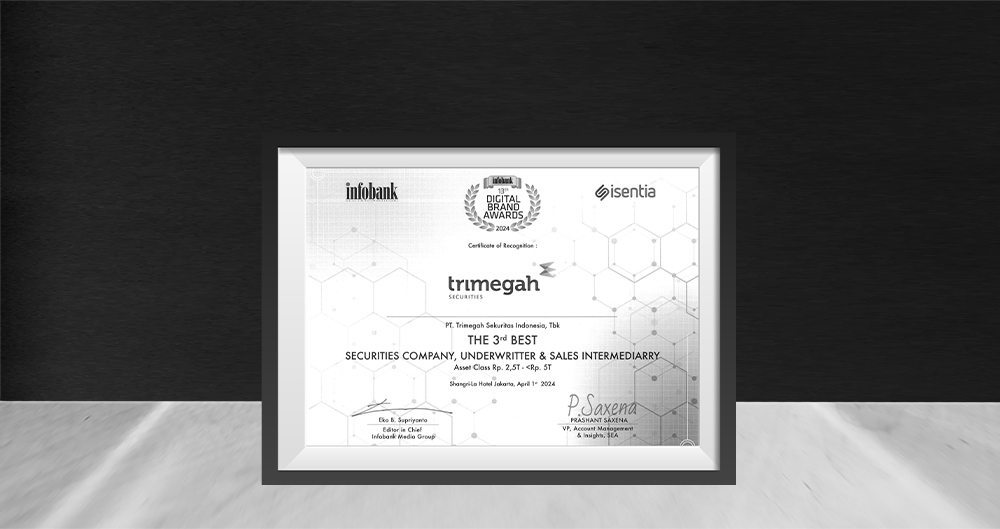
13th Infobank Isentia Digital Brand 2024

IFN Awards Deals of the Year 2023

The Iconomics
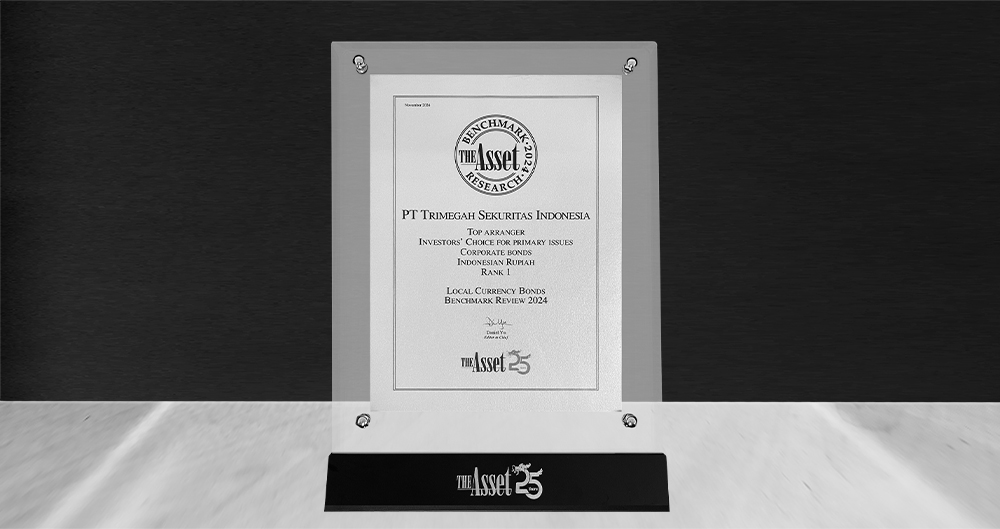
The Asset Benchmark Research Awards 2024
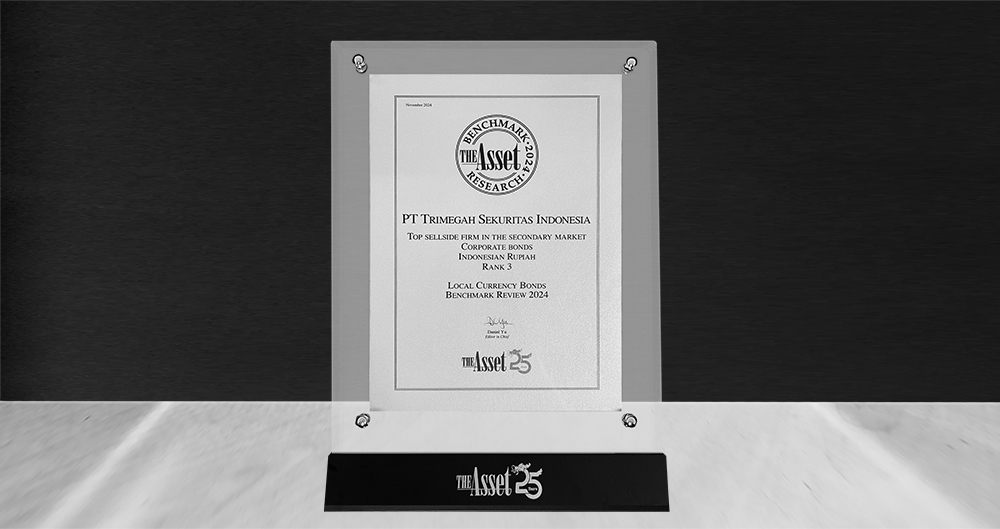
The Asset Benchmark Research Awards 2024

The Asset Benchmark Research Awards 2024
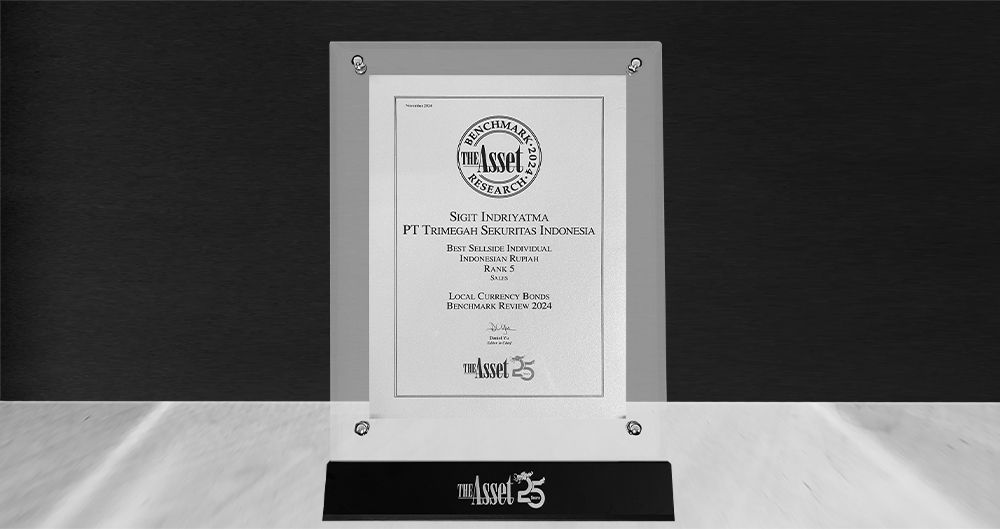
The Asset Benchmark Research Awards 2024
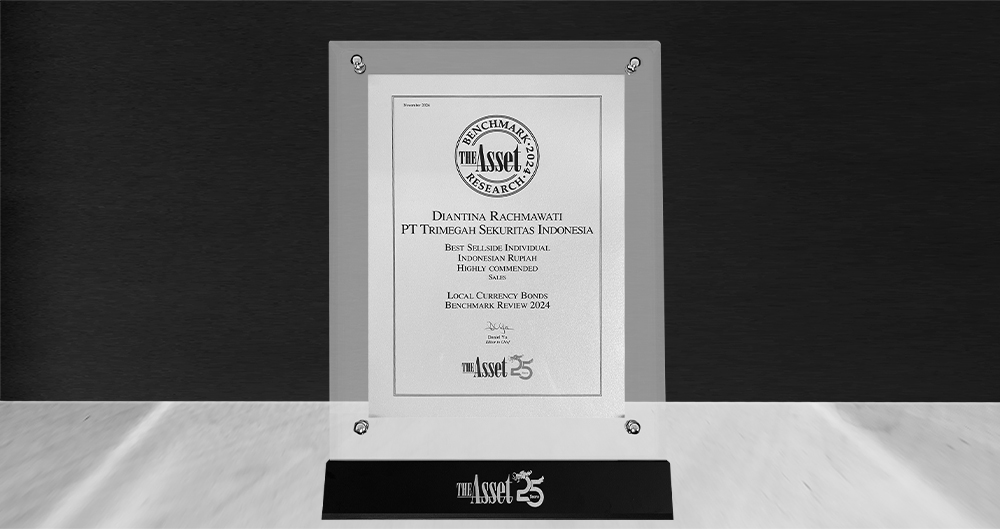
The Asset Benchmark Research Awards 2024
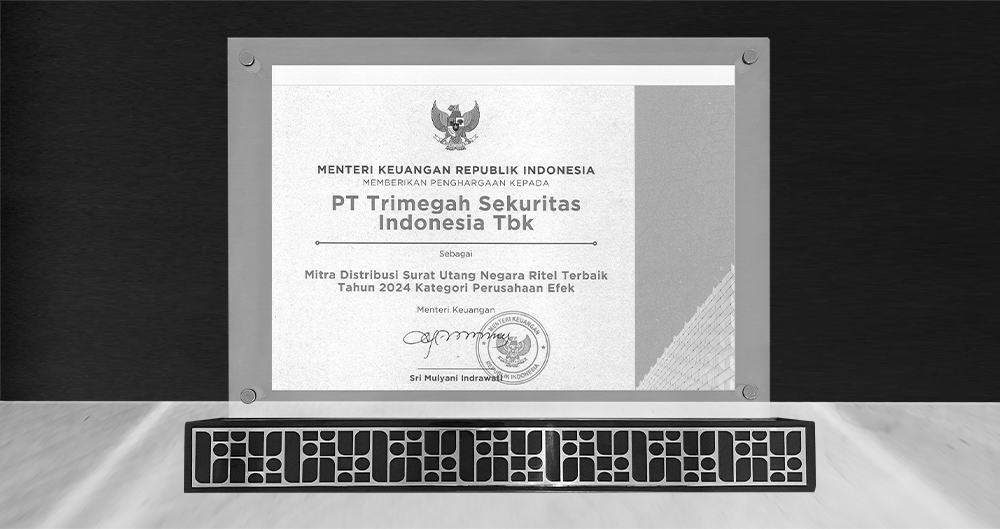
Ministry of Finance of the Republic of Indonesia
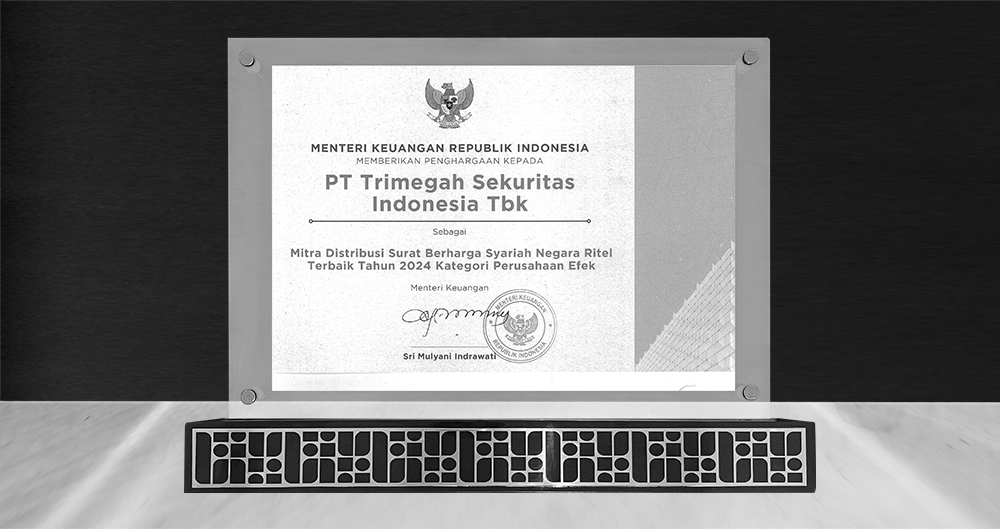
Ministry of Finance of the Republic of Indonesia
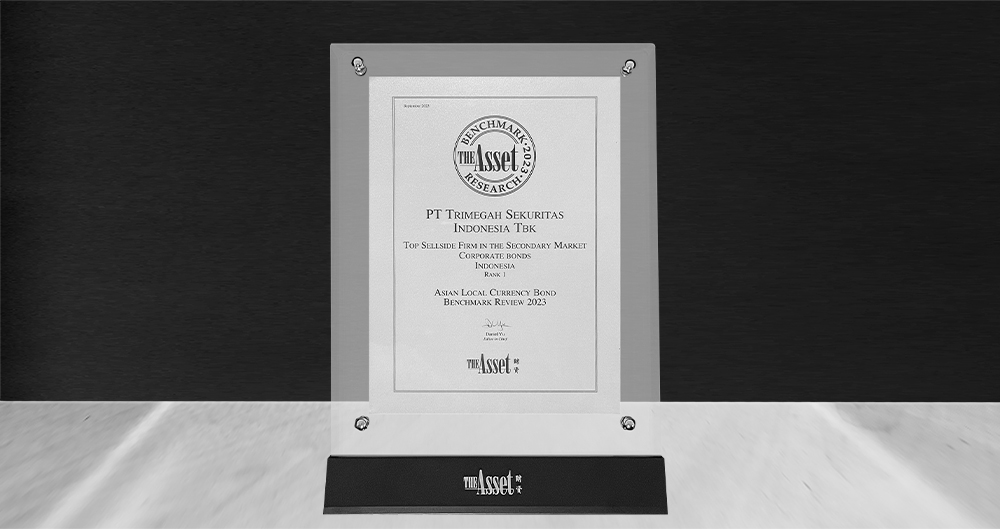
The Asset Benchmark Research Awards 2023
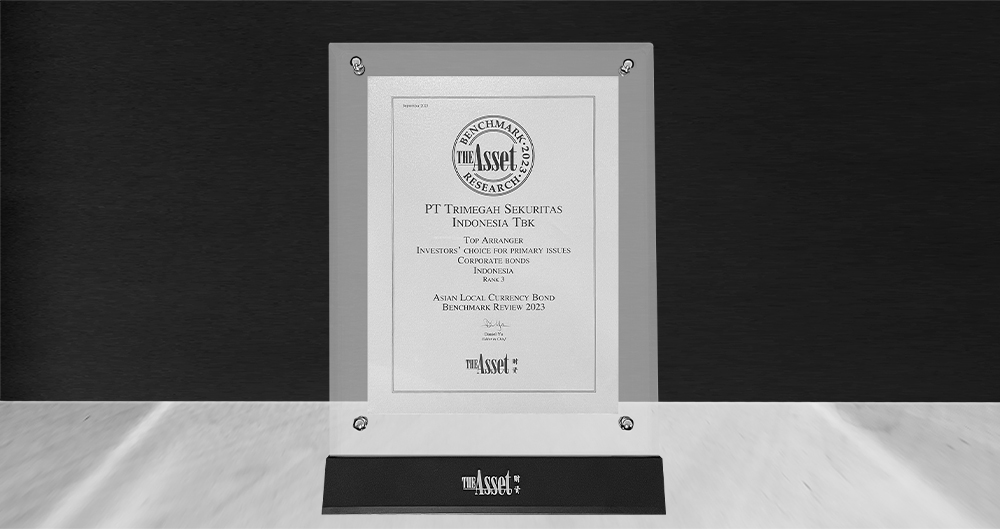
The Asset Benchmark Research Awards 2023
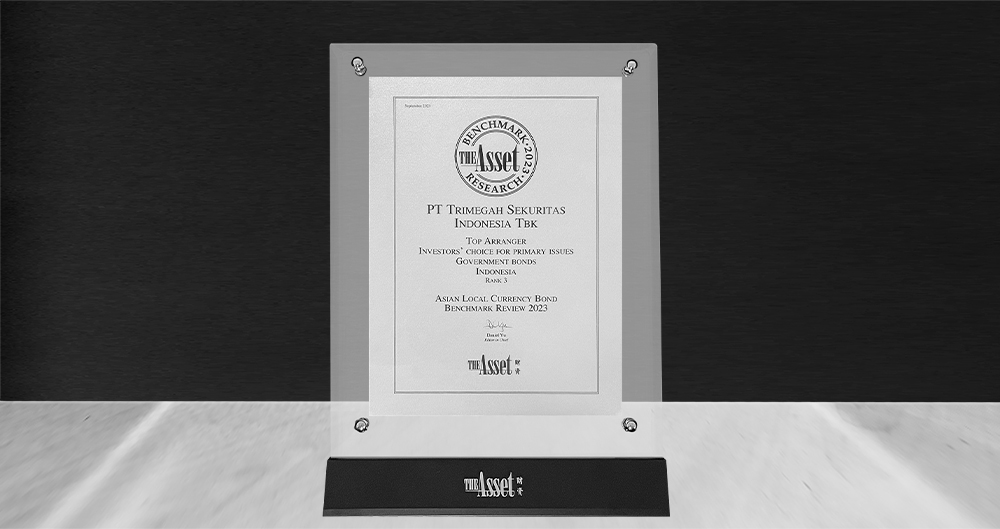
The Asset Benchmark Research Awards 2023
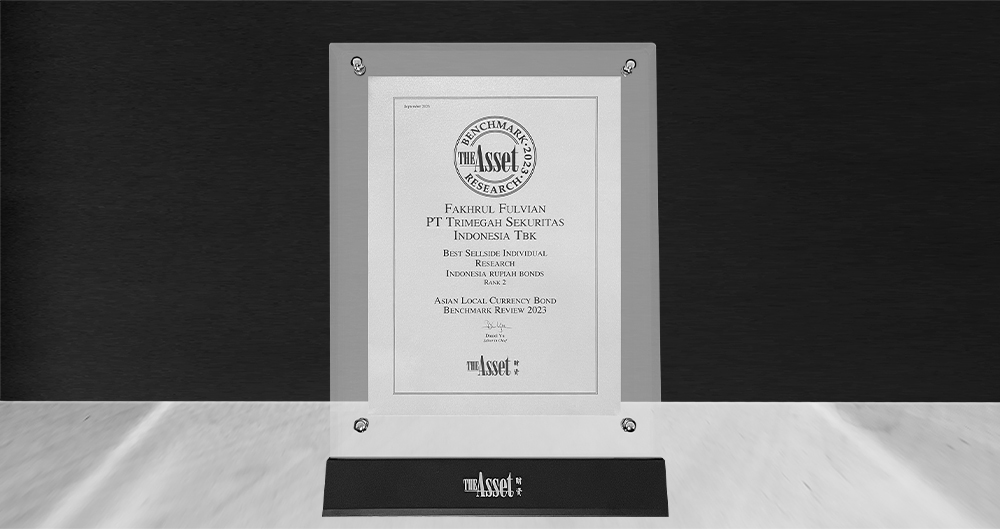
The Asset Benchmark Research Awards 2023

Public Company Entrepreneurial Marketing Awards 2023

The Iconomics
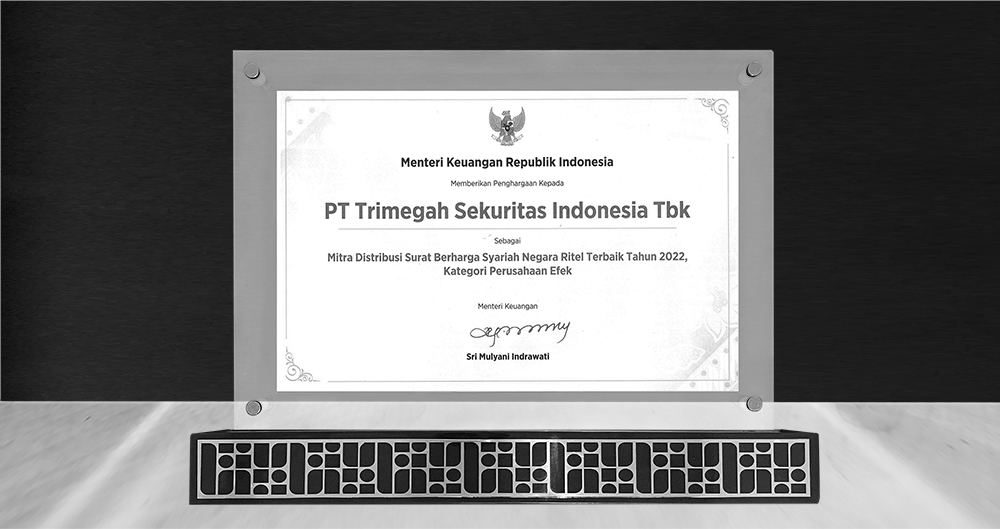
Ministry of Finance of the Republic of Indonesia
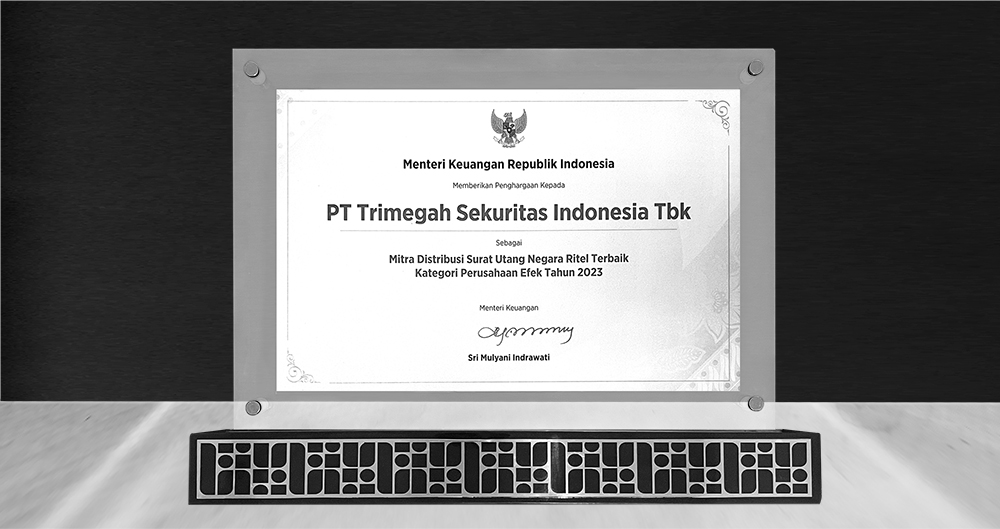
Ministry of Finance of the Republic of Indonesia
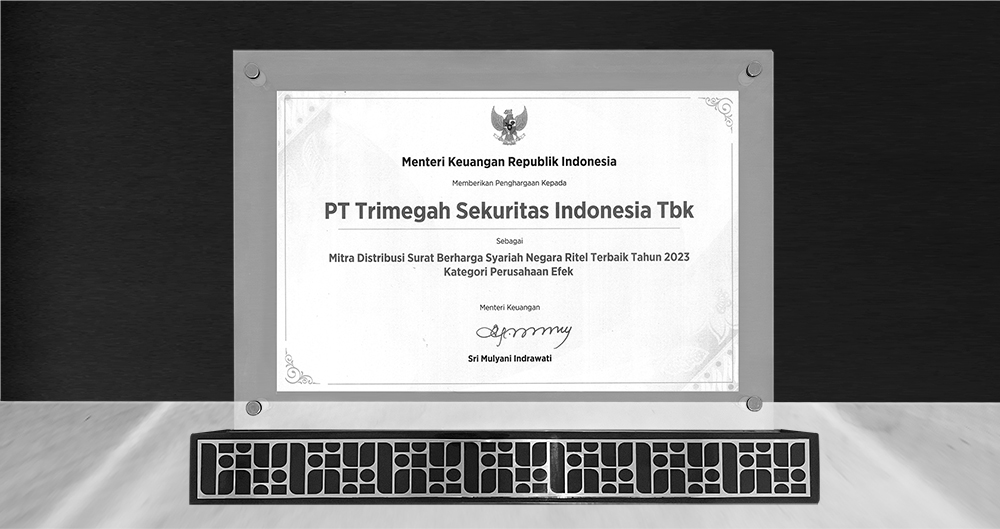
Ministry of Finance of the Republic of Indonesia
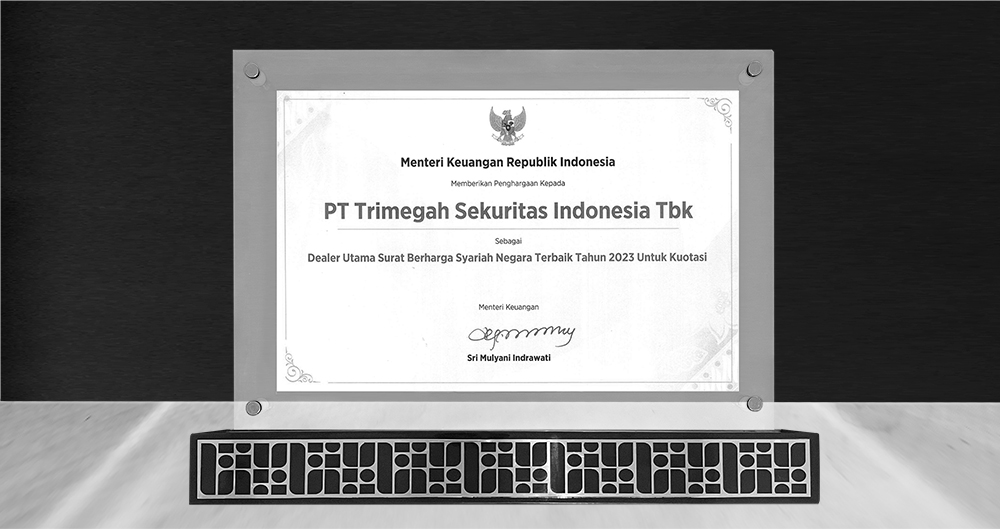
Ministry of Finance of the Republic of Indonesia

BRI
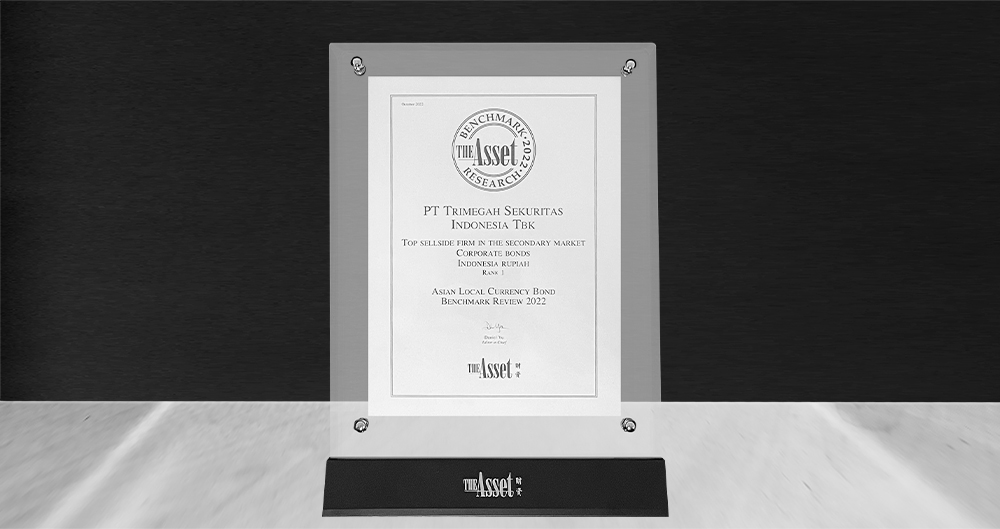
The Asset Benchmark Research Awards 2022
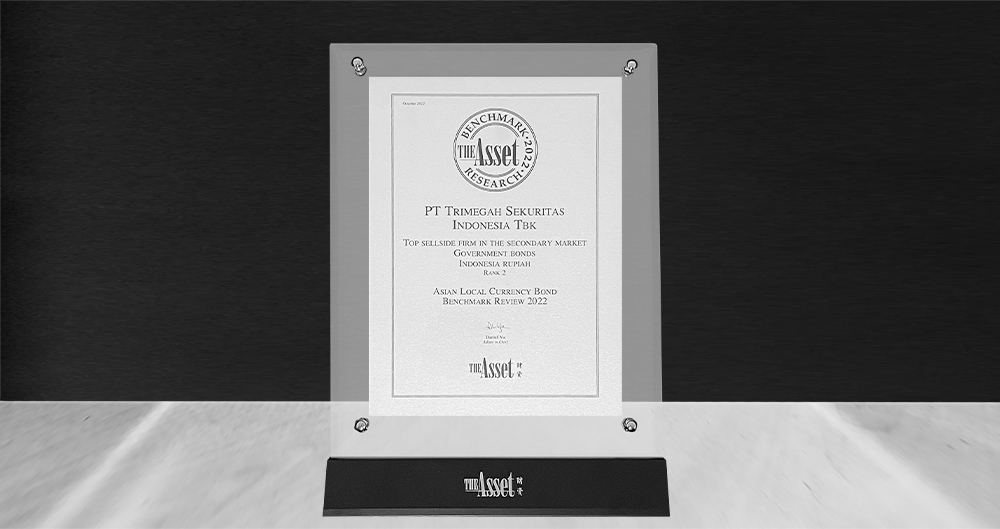
The Asset Benchmark Research Awards 2022
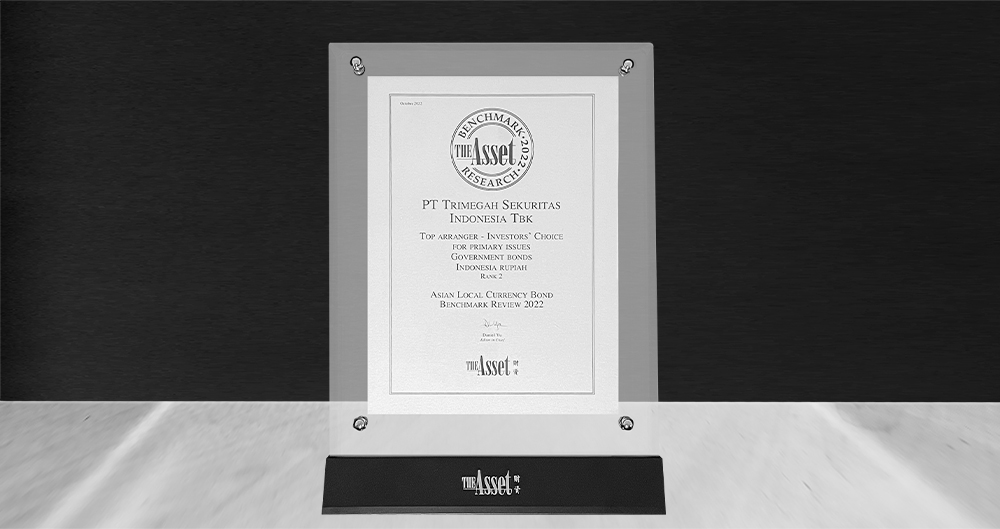
The Asset Benchmark Research Awards 2022
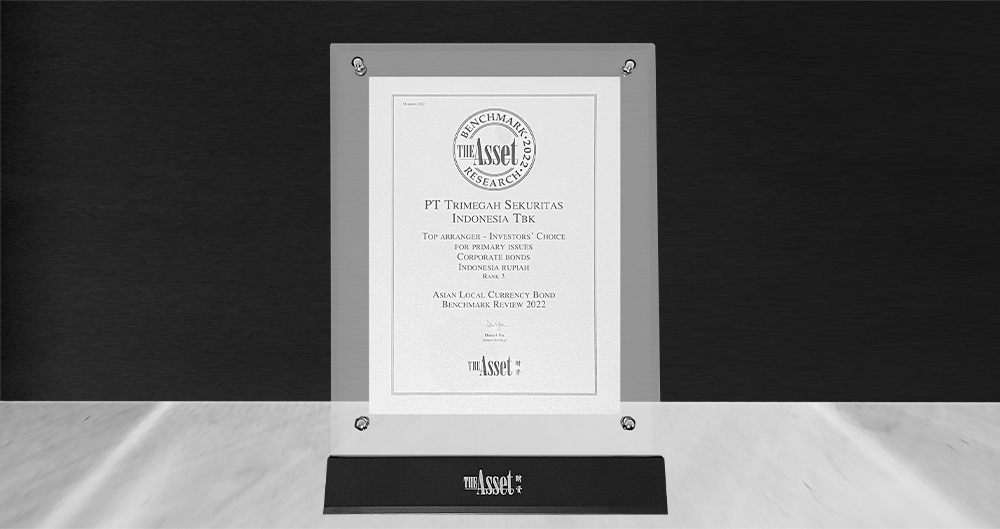
The Asset Benchmark Research Awards 2022

The Asset Benchmark Research Awards 2022
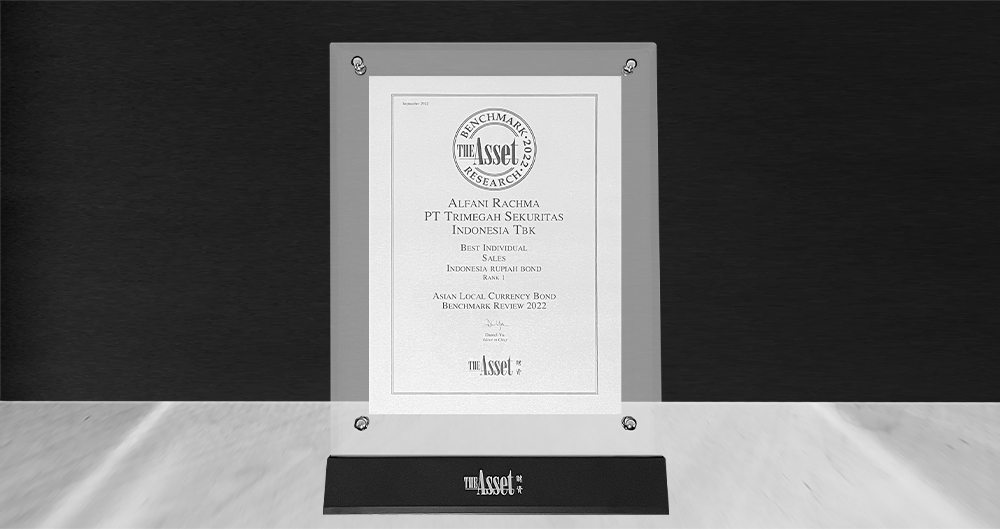
The Asset Benchmark Research Awards 2022
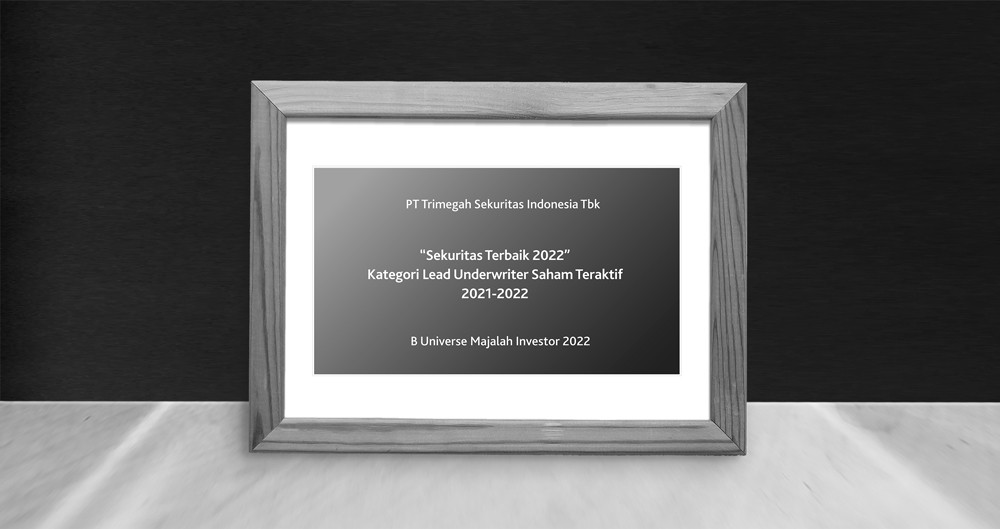
B Universe Investor Magazine 2022
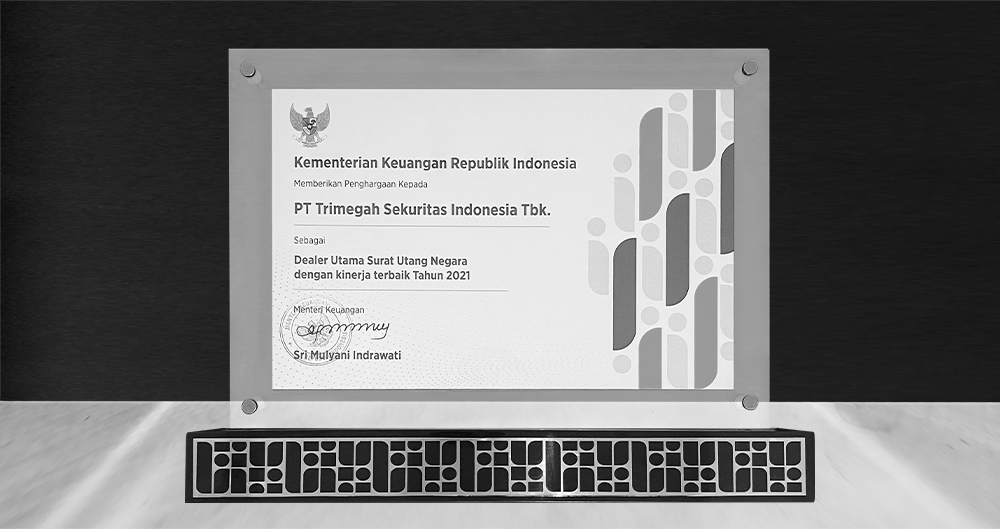
Ministry of Finance of the Republic of Indonesia
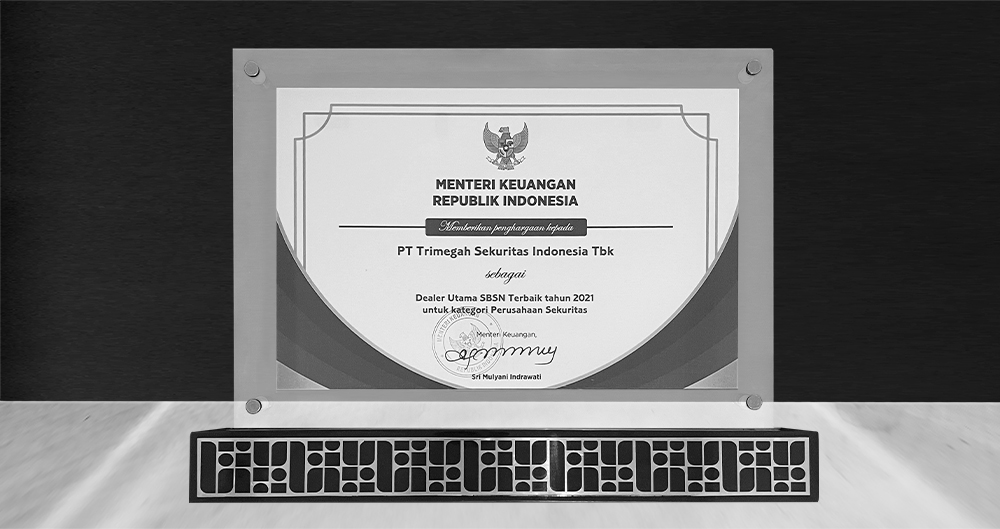
Ministry of Finance of the Republic of Indonesia

A subsidiary of PT Trimegah Sekuritas Indonesia Tbk, licensed as an Investment Manager since 31 January 2011. Its experienced capital market professionals manage investment products tailored to corporate clients, financial institutions and pension funds, focused on optimal long-term results.
Public Accounting Firm
Share Registrar
Notary
Credit Rating Agency
Trustee
Credit Rating Agency
From first trade to landmark transaction, we're ready to help.
PT Trimegah Sekuritas Indonesia Tbk is a Securities Company licensed and supervised by the Indonesian Financial Services Authority (Otoritas Jasa Keuangan / OJK) and operates as a member of the Indonesia Stock Exchange (Bursa Efek Indonesia / IDX).
The Company conducts its business as a Securities Broker-Dealer and Underwriter in accordance with the prevailing capital-market laws and OJK regulations (POJK), including provisions governing conduct of business, capital adequacy, and the protection of client assets held with the Indonesian Central Securities Depository (KSEI).
This summary is provided for information only. The full regulatory text is available on request and via www.ojk.go.id.